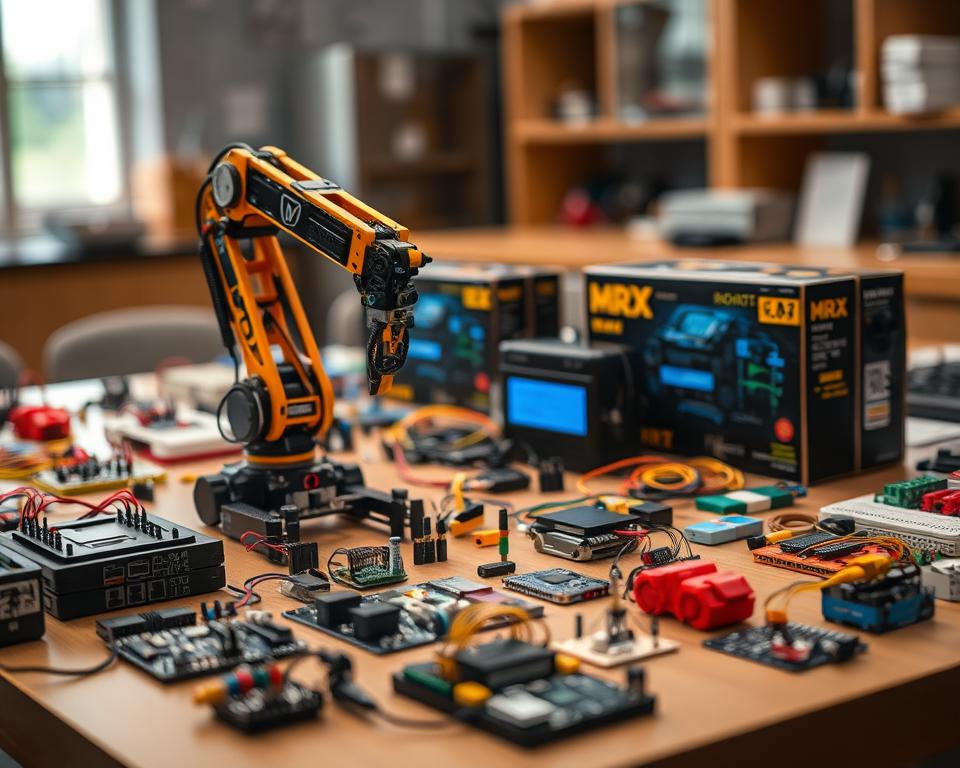
Are you curious about how technology can help your teen? Can teen robotics kits really boost their skills and future job chances?
In today’s fast-changing digital world, robotics brings many benefits. It’s not just about making cool robots. It’s a way to improve critical thinking, teamwork, and complex problem-solving skills.
Exploring robots for teens shows how these kits can spark creativity. They also encourage STEM education and prepare teens for a tech future.
Key Takeaways
- Robotics enhances critical thinking and problem-solving skills.
- Engaging with teen robotics kits encourages STEM education.
- Robotics fosters creativity and innovation.
- Building robots promotes teamwork and collaboration.
- Robotics prepares teens for a future in technology.
Introduction to Robotics for Teens
The world of robotics is opening up new ways for teens to learn and create. It combines technology, engineering, and programming. This makes machines that can do many tasks, from simple to complex. Robotics is becoming key in modern education, giving teens hands-on STEM experience.
What Are Robots?
Robots are machines that do tasks on their own. They can be controlled from afar or work by themselves using artificial intelligence. Educational robot toys teach programming, engineering, and problem-solving. They’re great for teens to start learning about robotics.
Robots come in many shapes, like humanoid ones that move like humans or robotic arms for factories. This variety lets teens explore different robotics areas. They can learn about building, programming, and how robots work.
Why Robotics Matters Today
In today’s tech world, robotics is key for the future. It’s not just about making robots; it’s about teaching skills for the next innovators and leaders. STEM robot projects improve critical thinking, problem-solving, and teamwork. These skills are useful in many life areas.
| Skill Developed | Description | Benefit |
|---|---|---|
| Critical Thinking | Analyzing problems and devising solutions | Enhances problem-solving abilities |
| Collaboration | Working in teams to achieve a common goal | Fosters teamwork and communication |
| Creativity | Designing and building innovative robot projects | Encourages innovation and imagination |
By getting into robotics, teens learn more than just tech. They develop skills that last a lifetime. As robotics evolves, its role in education and beyond will only grow. It’s an exciting field for teens to dive into.
The Benefits of Learning Robotics
Learning robotics is great for teenagers. It boosts problem-solving skills and creativity. As robots become more common, knowing how they work is very useful.
Skill Development
Robotics education teaches teens many skills. They learn programming, engineering, and how to think critically. By working on robotics projects, they become better at solving problems and thinking outside the box.
Key skills developed through robotics include:
- Problem-solving and analytical thinking
- Programming and coding
- Collaboration and teamwork
- Creativity and innovation
A Gallup report shows 9 in 10 U.S. parents want computer science in schools. This highlights the value of STEM fields.
“The study of robotics integrates multiple disciplines, including computer science, engineering, and mathematics, providing a comprehensive learning experience.”
Career Opportunities
Learning robotics opens doors to many careers. As technology advances, the need for robotics experts grows.
| Career Path | Description | Median Salary |
|---|---|---|
| Robotics Engineer | Designs and develops robots and robotic systems | $90,000+ |
| AI/ML Engineer | Develops intelligent systems that can learn and adapt | $120,000+ |
| Automation Specialist | Implements automation solutions in various industries | $80,000+ |
Enhancing STEM Education
Robotics is key to better STEM education. It makes learning science, technology, engineering, and math fun and easy. Schools that include robotics in their curriculum give students real-world experience.
The benefits of robotics in STEM education include:
- Increased student engagement
- Improved understanding of complex concepts
- Development of critical thinking and problem-solving skills
Types of Robots Suitable for Teens
Robotics for teens includes many types of robots. These include educational, DIY, and programmable robots. They are made to be fun, educational, and challenging. This helps teens learn a lot about robotics and programming.
Educational Robots
Educational robots teach programming, robotics, and engineering in a fun way. They come with lesson plans and are used in schools to improve STEM education.
- LEGO Mindstorms: A favorite that mixes LEGO bricks with robotics. Teens can build and program their own robots.
- Dash and Dot: Robots for younger teens that focus on coding and solving problems.
DIY Robot Kits
DIY robot kits are great for teens who like to build and customize. These kits have everything needed to make a working robot.
- Makeblock mBot: A kit that lets teens build and program robots with different modules and sensors.
- Arduino Robot Kit: For teens with some electronics knowledge, this kit helps create complex robots.
Programmable Robots
Programmable robots let teens learn advanced programming and solve real-world problems. They can be simple or very complex.
“Programming a robot teaches you to think logically and solve problems systematically.” –
Examples include:
- Sphero: A robotic ball that can be programmed with different apps and coding languages.
- Robot Turtles: A board game that teaches programming to younger teens.
These robots help teens learn about robotics and programming. They also spark creativity and innovation. By trying these robots, teens can gain skills that will help them in their future careers.
Popular Robotics Kits for Teens
STEM education has grown, making robotics kits for teens more advanced. These kits teach programming and engineering. They also boost creativity and problem-solving skills.
LEGO Mindstorms
The LEGO Mindstorms Robot Inventor kit is great for teens who love building and programming robots. It uses LEGO bricks and advanced tech. This lets users build complex robots and learn programming easily.
Key Features of LEGO Mindstorms:
- Advanced robotic elements, including motors and sensors
- Intuitive drag-and-drop programming software
- Compatibility with a range of LEGO bricks for creative building
VEX Robotics
VEX Robotics kits are known for their versatility and challenge. They are perfect for teens at any skill level. VEX kits teach through competition and projects.
Benefits of VEX Robotics:
- Promotes STEM education through hands-on projects
- Encourages teamwork and competition
- Scalable complexity to suit different skill levels
Makeblock mBot
The Makeblock mBot is popular among teens for its simplicity and flexibility. It’s an affordable, Arduino-based robot kit. It supports various programming languages, great for beginners and those with some experience.
Features of Makeblock mBot:
- Easy-to-assemble design
- Supports multiple programming languages, including Scratch and Arduino
- Extensive online resources and community support
These kits are just a few examples for teens. They help develop skills in programming, engineering, and problem-solving. These skills are essential for STEM careers.
Getting Started with Robotics
To start with robotics, teens need the right tools, basic programming skills, and safety knowledge. This foundation helps them dive into the world of robotics.
Essential Tools and Materials
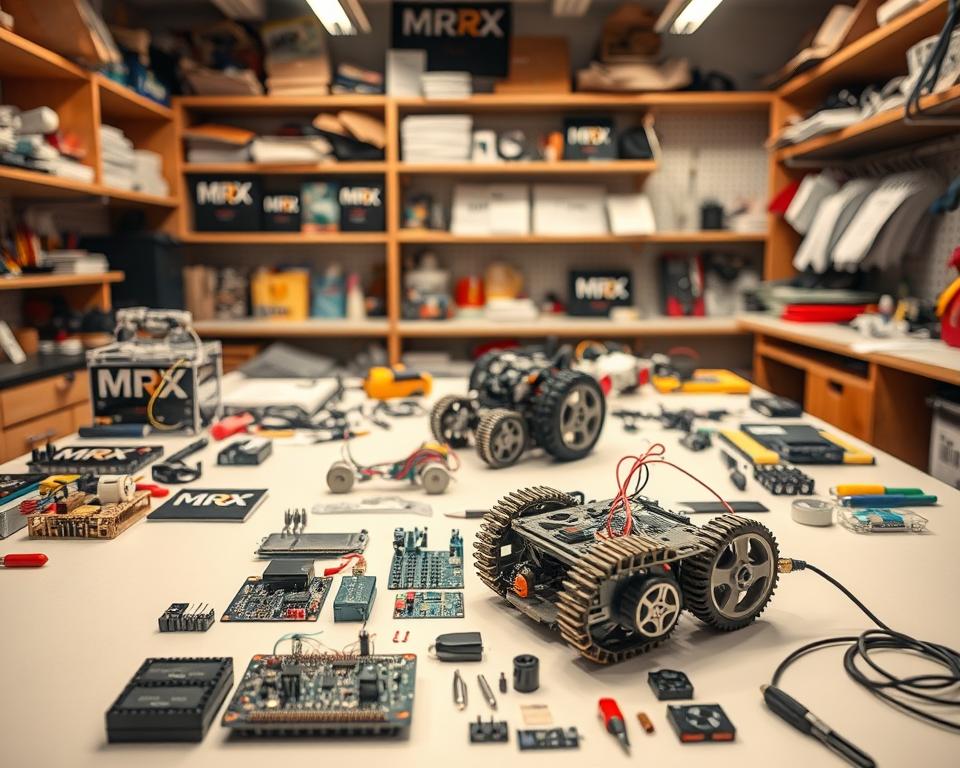
Teens need certain tools and materials to begin. These include:
- Robot kits or DIY components
- Microcontrollers (e.g., Arduino, Raspberry Pi)
- Sensors and actuators
- Breadboards and jumper wires
- Power sources (batteries, adapters)
Basic Programming Concepts
Teens must learn basic programming. They should get to know languages like Python, C++, or Scratch. Key ideas include:
- Variables and data types
- Control structures (loops, conditionals)
- Functions and modules
- Event-driven programming
Knowing these basics helps teens build complex robots.
Safety Tips
Robotics safety is crucial. Teens should follow these tips:
- Wear protective gear (gloves, goggles)
- Keep workspaces clean and organized
- Avoid loose clothing or jewelry that could get caught in machinery
- Follow proper handling procedures for electronic components
By following these tips, teens can stay safe while enjoying robotics.
| Tool/Material | Description | Usage |
|---|---|---|
| Microcontrollers | Control unit of the robot | Programming, interfacing with sensors and actuators |
| Sensors | Detect environmental changes | Navigation, obstacle detection |
| Actuators | Convert energy into motion | Movement, robotic arm control |
Robotics Competitions for Teens
Robotics competitions are a great way for teens to show off their creativity and technical skills. These events challenge participants, encourage innovation, and promote teamwork.
FIRST Robotics Competition
The FIRST Robotics Competition is a top event for high school students. It asks teams to design, build, and program robots for different challenges. This competition tests technical skills and promotes collaboration and problem-solving.
Teams in the FIRST Robotics Competition must work together to meet deadlines and solve problems. This experience teaches teens important life skills like time management, leadership, and communication.
VEX Robotics Competition
The VEX Robotics Competition is another big event that draws teams from all over. It has challenges for all skill levels, making it open to many. Participants get hands-on experience in robotics and engineering, improving their STEM knowledge.
| Competition | Age Group | Focus |
|---|---|---|
| FIRST Robotics | High School | Robot Design, Programming |
| VEX Robotics | Middle to High School | Robotics, Engineering |
Local Robotics Events
Local robotics events and clubs offer more chances for teens to get involved. These events are closer to home and can lead to bigger competitions. They provide a supportive space for teens to share ideas, learn from each other, and improve their skills.
Being part of robotics competitions, whether local or national, greatly enriches a teen’s education. It introduces them to real-world challenges, boosts innovation, and creates a community of peers.
Online Resources for Learning Robotics
The web is full of learning opportunities for teens interested in robotics. You can find websites, online classes, and video tutorials. These resources help teens learn about robotics, from the basics to advanced projects.
Websites
Many websites are great for learning about robotics. Robotics for Teens and Create & Learn are two examples. They offer tutorials, project ideas, and help with programming languages.
- Robotics for Teens: Gives an overview of robotics, including history and career options.
- Create & Learn: Offers online classes for teens, focusing on robotics and coding.
Online Courses
Online courses let teens learn robotics at their own pace. Sites like Coursera, edX, and Udemy have courses on robotics. These include video lectures, quizzes, and projects to help you learn.
- Coursera: Works with top universities to offer robotics courses.
- edX: Has a variety of robotics courses, including MicroMasters programs.
- Udemy: Offers a wide range of robotics courses, focusing on practical learning.
YouTube Channels
YouTube is also a great resource for teens learning robotics. Channels like 3Blue1Brown and The Coding Train make complex concepts easy to understand through videos.
- 3Blue1Brown: Uses animations to explain complex topics, including robotics.
- The Coding Train: Focuses on coding and programming, often for robotics projects.
By using these online resources, teens can learn a lot about robotics. This prepares them for further study or careers in this exciting field.
Robotics Clubs and Communities
For teens into robotics, joining clubs and communities is super rewarding. These groups offer a sense of belonging and a chance to learn and innovate.
Finding Local Clubs
To find local robotics clubs, teens should ask at school or community centers. Many schools have clubs for all skill levels. Also, FIRST Robotics and VEX Robotics have directories of clubs and teams.
- Check with local schools and community centers for existing robotics clubs.
- Look for online directories provided by robotics organizations.
- Attend local robotics events and competitions to network with other enthusiasts.
Online Forums and Groups
Online forums and groups are great for teens into robotics. Sites like Reddit’s r/robotics and r/learnprogramming, and Stack Overflow are full of info and experienced robotics fans.
- Reddit: r/robotics and r/learnprogramming are popular communities where teens can ask questions and share their projects.
- Stack Overflow: A Q&A platform for programmers, including those working on robotics projects.
- Specialized Robotics Forums: Many robotics kits, such as LEGO Mindstorms and VEX Robotics, have dedicated forums where users can share tips and projects.
By joining both local clubs and online groups, teens can learn more about robotics. They can also improve their skills in a supportive setting.
Integrating Robotics into School Programs
Adding robotics to school programs is a smart move to boost STEM education for high schoolers. It offers a hands-on way to learn, encouraging creativity, problem-solving, and critical thinking.
Curriculum Development
Creating a robotics-rich curriculum needs a detailed plan. Teachers should craft lessons that blend robotics with STEM subjects. This makes learning fun and interactive. Robotics kits and programming languages for high schoolers are great tools.
LEGO Mindstorms and VEX Robotics are top picks for teaching robotics. They offer many tools and resources for making lesson plans.
Collaborating with Educators
Teaming up with teachers is crucial for adding robotics to school programs. They know how to use robotics to improve learning. Also, they can keep up with new robotics tech and teaching methods through training.
Together, educators and robotics experts can create programs that help high school students. These programs prepare them for careers in STEM fields.
Robotics and Problem Solving
Robotics helps teens learn to solve problems in today’s tech world. It makes them think outside the box and find new ways to tackle tough issues.
Real-World Applications
Robotics is used in many fields like manufacturing, healthcare, and transport. For example, robots help make things more efficiently on assembly lines. In hospitals, they assist in surgeries and care for patients.
Case Studies of Robotics Solutions
Many examples show how robotics solves real problems. Like how robotic arms help find people in disaster zones. Also, in farming, robots check on crops and pick them.
| Industry | Robotics Application | Benefits |
|---|---|---|
| Manufacturing | Assembly Line Robots | Improved Efficiency, Precision |
| Healthcare | Surgical Robots | Enhanced Accuracy, Minimally Invasive |
| Agriculture | Autonomous Crop Monitoring Robots | Increased Yield, Reduced Labor |
These examples show how robotics tackles big challenges and makes things better in many areas. By working on STEM robot projects, teens learn a lot about robotics’ uses and advantages.
Future Trends in Robotics
Robotics is on the verge of a big change, thanks to new artificial intelligence. The future looks bright, with robots set to change many parts of our lives.
Advances in AI and Robotics
AI is making robots smarter and more skilled. Machine learning algorithms help robots learn and adapt. This lets them do complex tasks with better accuracy.
Also, computer vision is getting better. This means robots can see and understand their world better. This is key for things like self-driving cars and robotic helpers.
The Role of Robotics in Society
Robotics is becoming more vital in our society. They help with industrial automation and healthcare assistance. Robots make work safer, more efficient, and productive in many fields.
Robots are also being made to help us in everyday life. They assist the elderly and disabled. Robots could greatly improve our lives, and research aims to make them easier to use.
But, we must think about the impact of these advancements. We need to talk about job loss, privacy, and how to use robots ethically.
Gender and Diversity in Robotics
Encouraging diversity in robotics is key for innovation. As the field expands, we must tackle the gender imbalance. It’s crucial to make robotics inclusive for everyone.
Encouraging Girls in STEM
One important step is encouraging girls in STEM education. Introducing girls to robotics early can spark their interest in STEM. This can lead them to pursue STEM careers.
Effective strategies include:
- Organizing workshops and camps for girls
- Providing mentorship with women in STEM
- Adding robotics to school curricula
Creating a supportive environment helps build confidence and skills in young girls. It prepares them for careers in robotics and STEM fields.
Inclusivity in Robotics Programs
Inclusivity is more than gender; it’s about welcoming everyone. This means people from different backgrounds, abilities, and ages. Robotics programs can be inclusive by:
| Strategy | Description | Benefit |
|---|---|---|
| Accessible Design | Designing robots and programs for all | Increases participation from diverse groups |
| Diverse Representation | Ensuring marketing reflects diversity | Attracts a broader audience |
| Inclusive Events | Hosting events welcoming to all ages and abilities | Fosters a sense of community |
By using these strategies, robotics programs can become more inclusive. This attracts a wider range of participants, creating a more vibrant community.
The Role of Robotics in Personal Growth
Robotics can change teens’ lives, boosting their confidence, creativity, and problem-solving skills. Through robotics, they learn about technology and gain important life skills.
Building Confidence
Robotics projects need teens to keep trying, even when it doesn’t work at first. They learn to fix problems and make their projects better. This builds confidence as they see their hard work pay off.
Robotics competitions can also boost confidence. Events like the FIRST Robotics Competition let teens show off their projects. They get feedback and see how they stack up against others. This can be very motivating and fulfilling.
Fostering Creativity
Robotics combines engineering, programming, and design. This mix encourages teens to think outside the box and find new solutions. By making robots, they can show their creativity and turn their ideas into reality.
Creating a robot involves a lot of brainstorming and trying different things. This process helps teens think creatively and explore new ideas. Plus, they learn it’s okay to make mistakes in a supportive place.
To show how robotics helps teens grow, let’s look at a few key points:
| Aspect | Benefits | Outcomes |
|---|---|---|
| Confidence Building | Debugging and troubleshooting | Increased self-assurance |
| Creativity Enhancement | Innovative problem-solving | Original ideas and designs |
| Problem-Solving Skills | Iterative design process | Effective solutions |
Robotics helps teens grow in many ways. They become more confident, creative, and good at solving tough problems. This growth is valuable in school and beyond.
Robots in Everyday Life
Robots are changing our daily lives, from smart home devices to fun entertainment robots. They make our routines easier and more efficient. Robots are now a big part of our daily tasks.
Home Automation
Robots are making a big difference in home automation. Smart home devices can be controlled from anywhere. They make our lives more convenient.
For example, smart thermostats adjust the temperature for us. Smart lights turn on or off when we want. Robots are also improving home security, like robotic vacuum cleaners that clean on their own.
Entertainment Robots
Entertainment robots are bringing fun and companionship into our lives. They range from robotic pets to interactive toys. Robotic dogs, for instance, act like real pets and keep people company, like the elderly.
These robots are also used in schools to teach kids about robotics and programming. They make learning fun and engaging. Entertainment robots are not just for fun but also for education and therapy.
In summary, robots are becoming a big part of our daily lives. They improve home automation and bring joy through entertainment. As technology grows, we’ll see even more cool uses for robots in the future.
Conclusion: Embracing the Future of Robotics
Exploring robotics for teens opens up a world of opportunities. It’s not just about making machines. It’s about learning skills that will shape the future.
Key Takeaways
Starting in robotics means learning the basics and exploring different types of robots. Teens can also join competitions and use online resources. Robotics clubs and educational programs are great ways to get involved.
Join the Robotics Revolution
Getting into robotics can lead to a brighter future for teens. It helps them develop important skills and improves their STEM education. It also opens doors to new career paths.
Teens can start by checking out robotics kits like LEGO Mindstorms and VEX Robotics. They should also look for local events and join online forums. By doing this, they can join a community that’s changing the future of robotics.
FAQ
What is the best robotics kit for a teenager?
Teens might like LEGO Mindstorms, VEX Robotics, or Makeblock mBot. These kits offer different levels of complexity and features.
How can robotics benefit my child’s education?
Robotics boosts STEM learning. It teaches programming, engineering, and problem-solving. This prepares teens for tech careers.
Are there any robotics competitions for teens?
Yes, there are competitions like the FIRST Robotics Competition and VEX Robotics Competition. They let teens show off their skills and projects.
What are the essential tools and materials needed to get started with robotics?
You’ll need a microcontroller, sensors, motors, and a programming environment. The materials depend on the kit or project.
How can I find local robotics clubs or communities for my teenager?
Look online for local clubs. Check schools and community centers too. Join forums and groups to meet other robotics fans.
What role does AI play in robotics?
AI makes robots smarter. It helps with machine learning, computer vision, and decision-making. This leads to more advanced robots.
Can robotics help my child develop problem-solving skills?
Yes, robotics projects help teens solve problems. They design, test, and improve solutions. This builds critical thinking and problem-solving skills.
Are there online resources available for learning robotics?
Yes, there are many websites, online courses, and YouTube channels. They offer tutorials, guides, and projects for learning robotics and programming.
How can I encourage my child to pursue robotics if they are not interested in coding?
Look into design, engineering, or creative uses of robots. This might spark their interest in robotics.
What is the future of robotics, and how will it impact society?
Robotics and AI will change many industries and life areas. This includes healthcare, transportation, education, and entertainment.
How can robotics kits help in developing STEM skills for teens?
Kits like LEGO Mindstorms and VEX Robotics teach STEM skills. They offer hands-on experience with building and programming robots.
What are some examples of teen robotics kits that are highly rated?
LEGO, VEX, and Makeblock kits are highly rated. They are designed for teens and focus on education.
How do robotics clubs for teens operate, and what benefits do they offer?
Clubs provide a place for teens to work on projects together. They share ideas and learn from each other, with mentor guidance.