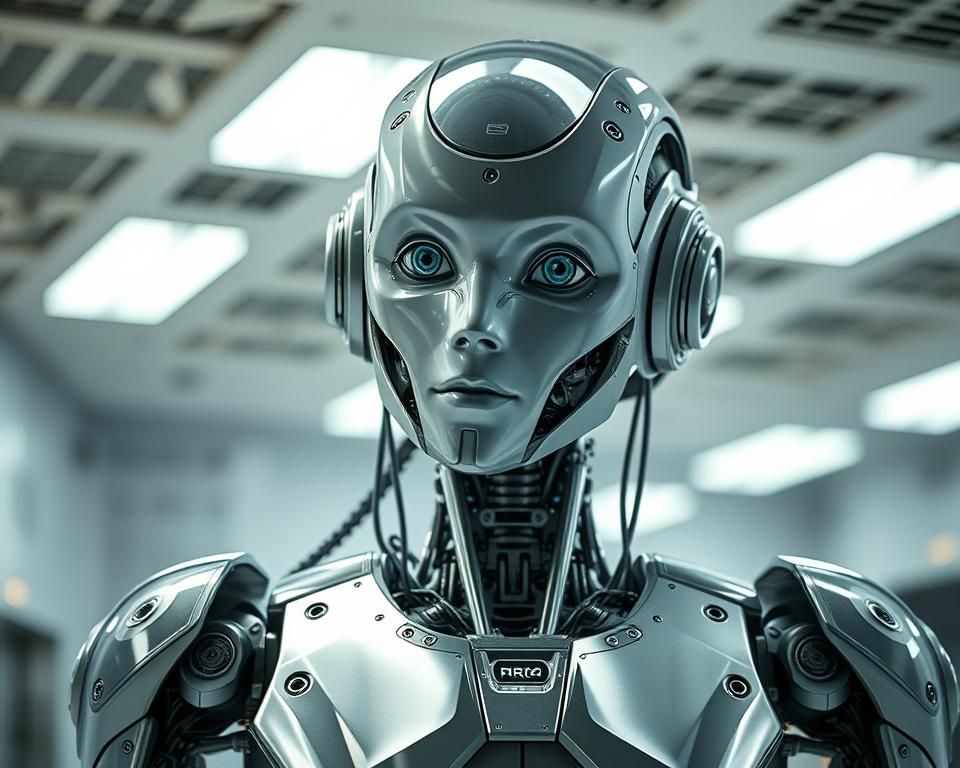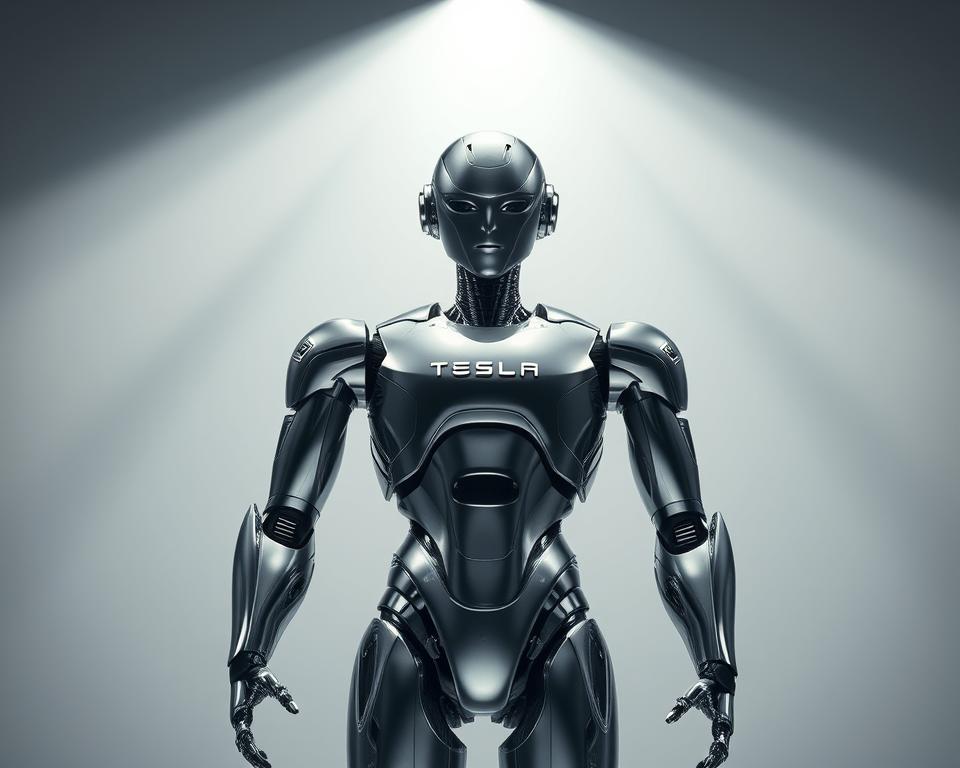
Can a machine that moves like humans change our lives and work? The Tesla Humanoid Robot has brought excitement and questions to many. Tech fans and experts are all talking about it.
This new robot is a big step in humanoid robot technology and artificial intelligence robots. It could change many parts of our daily lives.
Key Takeaways
- The Tesla Humanoid Robot represents a significant advancement in robotics and AI.
- It has the potential to revolutionize industries and daily life.
- The technology is a result of cutting-edge innovations in artificial intelligence.
- Comparisons with other robots, like Boston Dynamics Atlas, highlight its unique features.
- The robot’s capabilities and applications are vast and varied.
Overview of the Tesla Humanoid Robot
The Tesla Humanoid Robot, also known as Tesla Optimus, is a big step in robotics and AI. It’s made to do tasks that are risky, boring, or repetitive. This robot aims to change the workforce and make things more efficient.
What is the Tesla Humanoid Robot?
The Tesla Humanoid Robot is a cutting-edge robot system. It’s designed to do many tasks. Its humanoid shape lets it interact with its surroundings like a human.
Key Features and Specifications
The Tesla Humanoid Robot has top-notch AI technology. This lets it learn and get better at new tasks. Some of its main features are:
- Advanced AI and machine learning capabilities
- Humanoid design for versatile interaction
- Ability to perform complex tasks
- Integration with Tesla’s ecosystem
| Feature | Specification |
|---|---|
| Height | Approximately 5’8″ |
| Weight | Around 125 lbs |
| Power Source | Tesla’s advanced battery technology |
| AI Capabilities | Advanced machine learning algorithms |
Purpose and Intended Applications
The main goal of the Tesla Humanoid Robot is to help humans with various tasks. It’s best for jobs that are risky, repetitive, or boring. Tesla wants to make things safer, more efficient, and productive.
The Tesla Humanoid Robot is set to change how we work and live. It offers a reliable and efficient solution for many industries. With its advanced AI and robotics, it’s a big leap in robotics.
Historical Context
Tesla is leading in robotics innovation, with its humanoid robot being a prime example. The Optimus robot is part of Tesla’s vision for automation and robotics. It builds on the company’s AI and machine learning advancements.
Evolution of Robotics at Tesla
Tesla started with Autopilot technology for its cars, setting the stage for more advanced automation. Its experience in manufacturing and vehicle production has also helped its robotics growth.
The Tesla Bot, or Optimus, is a big leap. It’s designed to handle tasks that are unsafe, repetitive, or boring. This lets humans focus on more complex and creative tasks.
Milestones in Humanoid Robot Development
Humanoid robots have seen many milestones worldwide:
- Early Prototypes: First humanoid robots were simple, focusing on basic movement and tasks.
- Advancements in AI: New AI and machine learning have made robots smarter and more interactive.
- Integration with Industry: Robots are now used in manufacturing and services, boosting productivity and efficiency.
Comparison with Other Robots
Optimus is not the only humanoid robot. Other notable ones include:
| Robot | Developer | Key Features |
|---|---|---|
| Atlas | Boston Dynamics | Advanced mobility, robust design |
| Optimus | Tesla | AI integration, manufacturing focus |
| NAO | SoftBank Robotics | Social interaction, educational use |
Tesla’s Optimus is unique because it works with Tesla’s AI and manufacturing systems. This could make it a more efficient choice for industrial use.
Technical Specifications
The Tesla Humanoid Robot, known as Optimus, has impressive specs. It can do many tasks well. It’s about five feet eight inches tall and weighs around 125 pounds. This makes it move and act like a human.
Dimensions and Weight
Optimus is 5 feet 8 inches tall and weighs 125 pounds. It’s as big as a human. This size lets it fit in spaces meant for people, making it useful in many places.
Mobility and Performance
The Tesla Humanoid Robot is made for agility and balance. It has special features for moving around. It can do complex tasks thanks to smart algorithms and sensors.
- Advanced navigation system for obstacle avoidance
- High degree of freedom in its limbs for versatile movement
- Robust actuators for powerful and precise motion
AI and Machine Learning Capabilities
Optimus has advanced AI and machine learning. It can learn from its surroundings and get better over time. It uses a smart neural network to understand its environment and act on its own.
“The integration of AI into robotics represents a significant leap forward in technology, enabling machines to adapt and learn in complex environments.”
The Tesla Humanoid Robot’s specs show its big potential. It could change many industries with its AI, mobility, and performance. As robotics keeps getting better, Optimus leads the way, showing what the future of robots could be.
Design and Aesthetics
Optimus, Tesla’s humanoid robot, shows the company’s dedication to innovation and futuristic design. Its design is a perfect example of how Tesla combines looks and function.
Visual Design Elements
The Tesla Humanoid Robot has a sleek, modern look with clean lines and a simple style. It uses lightweight materials like aluminum and plastic. These materials make it look good and work well.
Materials and Sustainability
The materials Tesla chose for Optimus show the company’s care for the environment and durability. The robot is mostly made from materials that can be recycled. This supports Tesla’s green goals.
| Material | Usage | Benefits |
|---|---|---|
| Aluminum | Structural Components | Lightweight, Durable |
| Plastic | Exterior Panels | Versatile, Recyclable |
| Advanced Composites | Specialized Parts | High Strength-to-Weight Ratio |
Ergonomics and User Interaction
Optimus’s design focuses on ergonomics and how users interact with it. Its humanoid shape makes it easy to work with and communicate.
The robot’s design allows it to do tasks that need human-like skills. This makes it useful in many areas.
Development Timeline
Since its start, the Tesla Humanoid Robot has seen big changes. This shows Tesla’s strong focus on new ideas. The robot’s development shows how much Tesla wants to improve robotics.
Initial Announcements and Prototypes
Tesla started its humanoid robot journey with big announcements. These sparked a lot of interest and guesses. The first models showed what the robot could do and how it looked.
These early models were key for the robot’s growth. They helped Tesla see what worked and what needed work.
Recent Updates and Progress
Recently, Tesla has worked on making the robot move better and think smarter. The robot can now do more complex tasks thanks to these updates.
Some big improvements include:
- Enhanced AI algorithms for better decision-making
- Improved mobility for more fluid movement
- Advanced sensor systems for better environmental interaction
Future Development Plans
Tesla plans to keep improving the robot’s AI and learning skills. They want the robot to be able to do even more tasks.
| Feature | Current Status | Future Development |
|---|---|---|
| AI Capabilities | Advanced algorithms for task handling | Further enhancement for complex decision-making |
| Mobility | Improved mobility for fluid movement | Enhanced flexibility and agility |
| Sensor Systems | Advanced sensors for environmental interaction | Integration of more sophisticated sensor technologies |
As Tesla keeps exploring robotics, the future of the humanoid robot looks bright. It could be used in many different fields.
Potential Use Cases
The Tesla humanoid robot is perfect for many uses. It can work in factories or help at home.
Manufacturing and Industrial Applications
The Tesla Humanoid Robot is great for factories. It can do jobs like putting parts together, checking quality, and moving things around. It can work with people or on its own, making it very useful.
Key Applications in Manufacturing:
- Assembly line work
- Quality control inspections
- Material transport and handling
Healthcare and Assistance Roles
In healthcare, the Tesla Humanoid Robot can help a lot. It can assist with patient care, help with physical therapy, and keep the elderly company. Its AI lets it understand and meet human needs well.
| Healthcare Application | Description |
|---|---|
| Patient Assistance | Helping patients with mobility issues or daily tasks |
| Rehabilitation Support | Helping during physical therapy sessions |
| Companionship | Keeping company with the elderly or those who are isolated |
Domestic and Personal Use
At home, the Tesla Humanoid Robot can do chores, watch over the house, and help family members. It works well with smart home systems, making it even more useful.
Potential Domestic Applications:
- Household cleaning and organization
- Personal assistance for family members
- Home security monitoring
The Tesla Humanoid Robot is a versatile tool. It can fit into many different settings and meet various needs.
Market Competition
Tesla is diving into humanoid robotics with Optimus, facing tough competition and innovation. The humanoid robotics market is growing fast. Many companies are racing to be the top player.
Key Competitors in Humanoid Robotics
Boston Dynamics is a big name in humanoid robotics. Its robot, Atlas, is used for search and rescue. It shows how versatile humanoid robots can be.
Other big names include:
- SoftBank Robotics, with its humanoid robot Pepper, made for customer service.
- Honda, famous for its ASIMO robot, a leader in humanoid robotics for years.
Differentiation from Other Products
Tesla Optimus stands out because it works with Tesla’s AI. This lets it do advanced tasks and connect with other Tesla products. This is a big plus in the market.
Advanced AI Capabilities: Tesla Optimus has smart AI. It can do complex tasks and learn from its surroundings.
Market Trends and Predictions
The humanoid robotics market is set to grow a lot in the next few years. This growth will come from better AI and robotics tech. We’ll see more advanced and useful robots in many fields.
Increased Adoption: As tech gets better, we’ll see more humanoid robots in factories, hospitals, and homes.
The future of humanoid robotics is bright, with Tesla Optimus leading the way.
Ethical Considerations
The arrival of Tesla’s humanoid robot brings us to a crossroads. It’s not just about new tech; it’s about facing ethical challenges too. As we welcome AI robots into our lives and work, we must think about the big questions they raise.
Safety and Risk Assessments
One big worry is how safe humans will be around Tesla’s robot. It’s essential to make sure these robots don’t harm us. We need to test them thoroughly and set up many safety checks to avoid accidents.
Safety measures could include advanced sensors and AI that helps the robot make smart choices. This way, it can handle different situations and stay out of trouble.
Job Displacement Concerns
When robots start doing human jobs, it worries people about losing their work. Robots might take over tasks that humans used to do, making some jobs disappear.
But, robots could also help us do better work. They might let us focus on tasks that need creativity and skill. The goal is to help workers learn new things and grow with the change.
Ensuring Responsible AI Development
AI, like in Tesla’s robot, must be developed with care. It’s important for AI to be clear, understandable, and to match human values.
To make this happen, Tesla and others need to focus on ethical AI development. This means testing for bias and following rules that put people first.
Real-World Testing
Tesla’s humanoid robot, Optimus, is now in real-world testing. This phase is key to check its abilities and find what needs work.
Pilot Programs and Demonstrations
Tesla has done many demos and pilot tests with Optimus. These tests aim to see how the robot does in real situations.
- Testing in manufacturing facilities to check if the robot can do repetitive tasks.
- Demos in controlled areas to show the robot’s skills to possible buyers.
- Pilot tests in healthcare to see if the robot can help doctors and nurses.
These tests have given Tesla useful feedback. They’ve helped improve the robot’s development.
Initial Feedback and User Experiences
First reactions from users are mostly good. They say the robot can do complex tasks well. People also say it learns and adapts fast, making it useful in many places.
“The Tesla Humanoid Robot has been a game-changer for our manufacturing process. Its ability to learn and adapt has significantly improved our productivity.”
But, some users say it could be better. They mention it needs better navigation skills.
Lessons Learned from Testing
Testing Optimus has taught Tesla a lot. One big lesson is how important strong AI and machine learning are. The robot’s ability to learn and adapt has been key to its success.
Another lesson is about user interface design. Users say the robot needs an easy-to-use interface for better interaction.
Key lessons learned include:
- The importance of robust AI and machine learning capabilities.
- The need for an intuitive user interface.
- The value of real-world testing in identifying areas for improvement.
These lessons will help shape the future of the Tesla Humanoid Robot.
Integration with Tesla Ecosystem
The Tesla humanoid robot is a big step in robotics. It works well with other Tesla tech, making things easier for users. This makes using the robot and other Tesla products a smooth experience.
Compatibility with Tesla Vehicles
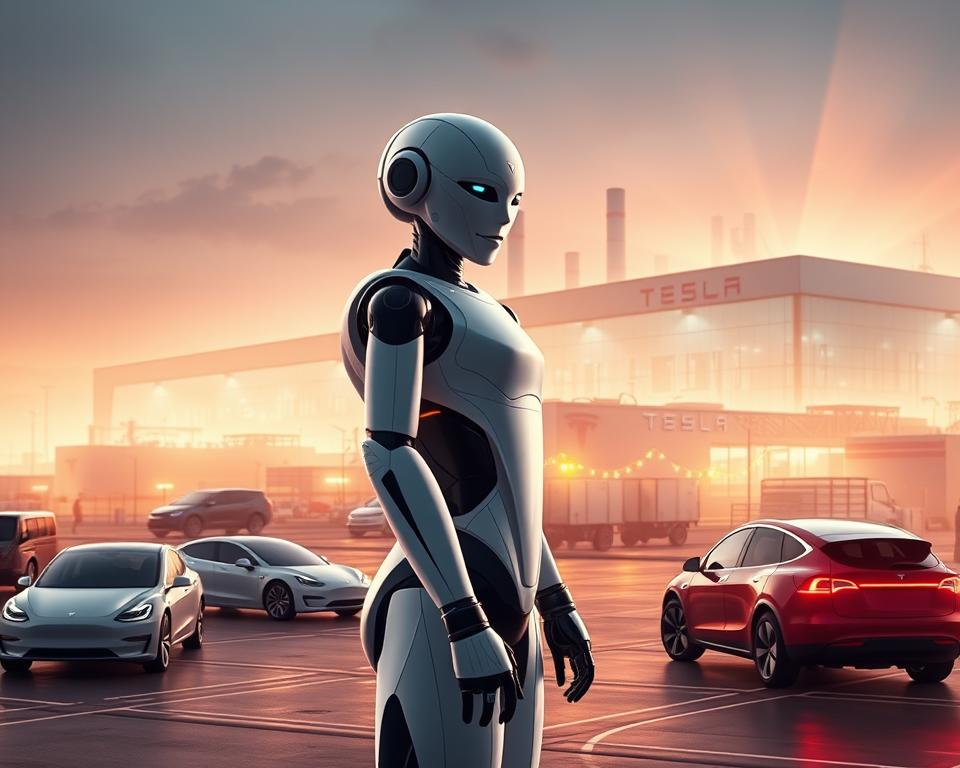
The Tesla Humanoid Robot, or Optimus, works with Tesla cars. This makes using your car in new ways easy and fun. You can check your car’s status or even help with navigation.
For example, the robot can check your car’s status or schedule service. It shows Tesla’s goal of making everything work together well. This makes life easier for users.
Connectivity with Smart Home Systems
Optimus also connects with Tesla’s smart home systems. This lets you control your home better. You can adjust lights, temperature, and security with the robot.
This connection is a big step in home automation. It makes managing your home easier. It helps you keep up with your daily life better.
Potential for Future Ecosystem Expansion
Optimus’s connection to Tesla’s ecosystem is just the start. Tesla plans to keep improving and adding more products. This means even more ways to use the robot and other devices.
Future updates could include better AI. This would help the robot learn and adapt to you. It could also work with more smart devices, making everything even more connected.
| Ecosystem Component | Current Integration | Future Potential |
|---|---|---|
| Tesla Vehicles | Control and status checking | Enhanced navigation assistance |
| Smart Home Systems | Control of lighting and temperature | Advanced security system integration |
| AI Capabilities | Task automation | Predictive maintenance and personalized routines |
Consumer Perception
As the Tesla Humanoid Robot comes out, people have mixed feelings about it. Some are excited, while others are worried. This shows how complex opinions on new tech can be.
Public Expectations and Reactions
People have different hopes for the Tesla Humanoid Robot. Some see it as a game-changer, while others doubt its usefulness. The robot’s smart AI and human-like design are big reasons for these mixed views.
- Excitement about its use in making things and helping in healthcare
- Concerns about losing jobs and safety issues
- Interest in its ability to do hard or risky tasks for humans
Media Coverage and Publicity
What the media says about the Tesla Humanoid Robot matters a lot. Good stories often talk about its tech and benefits. Bad stories might focus on its risks and problems.
Understanding User Concerns
It’s key for Tesla to listen to what users worry about. People are concerned about safety, privacy, and if the robot works well. Tesla can ease these worries by being open, adding safety features, and helping users.
- Safety features and risk assessments
- Privacy policies and data protection measures
- User training and support programs
By tackling these worries and keeping innovating, Tesla can make people more positive about the robot. This will help it fit into our lives better.
Regulatory Landscape
The future of robotics is not just about new tech. It’s also about the rules that guide their use in society. As artificial intelligence robots get smarter, governments must create rules for their safe use.
Government Regulations on Robotics
Rules from governments are key for humanoid robots. These rules cover safety, ethics, and privacy. For example, they might say how robots can be used in public or how to avoid accidents.
- Safety Standards: Making sure robots don’t harm people.
- Ethical Considerations: Thinking about privacy, freedom, and jobs.
- Data Privacy: Controlling how robots handle data.
Compliance Challenges
Following these rules is hard for makers like Tesla. Robots with advanced AI and self-driving need to meet many rules in different places.
Some big challenges include:
- Figuring out and following different rules in each area.
- Changing designs and how robots work to meet safety and ethics.
- Doing checks often to keep up with rules.
Global Standards for Humanoid Robots
Having global standards for humanoid robots is crucial. These standards help with working together, safety, and being efficient. This makes it easier for robots to fit into many areas.
Global standards can help a lot in areas like:
| Area | Description |
|---|---|
| Safety Protocols | Standard safety steps to avoid accidents and keep humans safe. |
| Communication | Rules for robots to talk to other systems smoothly. |
| Data Management | Rules for handling data to protect privacy and security. |
With clear rules and standards, we can help robotics grow in a good way. This ensures these technologies help everyone, not just a few.
Maintenance and Support
The Tesla Humanoid Robot, known as Optimus, is built with advanced technology. It needs careful maintenance and support to work well. Keeping Optimus in top shape requires a detailed maintenance plan.
Routine Maintenance Requirements
Optimus needs regular upkeep to function properly. This includes:
- Software updates to boost performance and security
- Hardware checks to find and replace old parts
- Calibration of sensors and actuators for accuracy
Maintenance Schedule: Tesla suggests a bi-annual check for Optimus. Units used a lot should get updates more often.
| Maintenance Task | Frequency | Description |
|---|---|---|
| Software Updates | Quarterly | Updates to improve functionality and security |
| Hardware Checks | Bi-annually | Inspection and replacement of hardware components |
| Sensor Calibration | Annually | Calibration to ensure accurate sensor data |
Customer Support Mechanisms
Tesla offers full support for Optimus, including:
- Dedicated customer service hotline
- Online support portal with resources and FAQs
- On-site support for major issues
Tesla’s commitment to customer support ensures that users of Optimus receive timely assistance. This helps reduce downtime and boosts overall satisfaction.
Long-term Durability
Optimus is built to last, with high-quality materials and strong construction. Tesla’s focus on durability makes Optimus a reliable and valuable asset for the long term.
Key Factors in Long-term Durability:
- High-quality components and materials
- Robust design and construction
- Regular maintenance and updates
Pricing and Availability
As Tesla gets ready to launch its humanoid robot, Optimus, many are curious about the price. The cost of this advanced robot will greatly affect its use in different fields.
Cost Factors and Pricing Strategy
The price of Optimus will depend on several things. These include production costs, new tech, and how it compares to others in the market. Tesla wants to make the robot affordable for many to use.
Key Cost Factors:
- Production Costs: The cost of making the robot, including materials and labor.
- Technological Advancements: The investment in AI and robotics tech.
- Market Competition: How Tesla’s price compares to others in the humanoid robotics market.
| Cost Factor | Impact on Pricing |
|---|---|
| Production Costs | High production costs could make Optimus more expensive. |
| Technological Advancements | New tech might mean a higher price, but it adds more value. |
| Market Competition | It’s important to price competitively to stay ahead. |
Early Adopter Programs
Tesla plans to start early adopter programs. These will help get feedback and make the product better. They will find and fix any problems.
“Early adopters play a crucial role in the development and refinement of new technologies.”
Retail and Distribution Plans
The plans for selling Optimus are key to making it available to many. Tesla might use its stores and online sites to sell it.
Having Optimus available through many channels will help customers buy and use it easily.
Future Innovations
Tesla’s humanoid robot is set to change the future of robotics. The company keeps improving it, making it more capable and useful. We can look forward to big updates in its features and uses.
Upcoming Features and Technologies
The next Tesla Humanoid Robot will have new features and tech. It will have advanced AI algorithms for better decision-making and interaction. It will also be more mobile and dexterous, doing more tasks with accuracy.
Some exciting techs being worked on include:
- Enhanced machine learning capabilities
- Advanced computer vision systems
- Improved human-robot interaction interfaces
Vision for Future Generations
Tesla wants its humanoid robot to be versatile and useful in many areas. They aim to make it a must-have tool, fitting into various environments and tasks.
| Feature | Current Generation | Future Generation |
|---|---|---|
| AI Capabilities | Basic task execution | Advanced decision-making |
| Mobility | Limited dexterity | Enhanced flexibility |
| Interaction | Simple command-based | Advanced human-like interaction |
Role of User Feedback in Development
User feedback is key in making the Tesla Humanoid Robot better. Tesla uses insights from early users to improve the robot. This helps make the robot meet user needs and expectations.
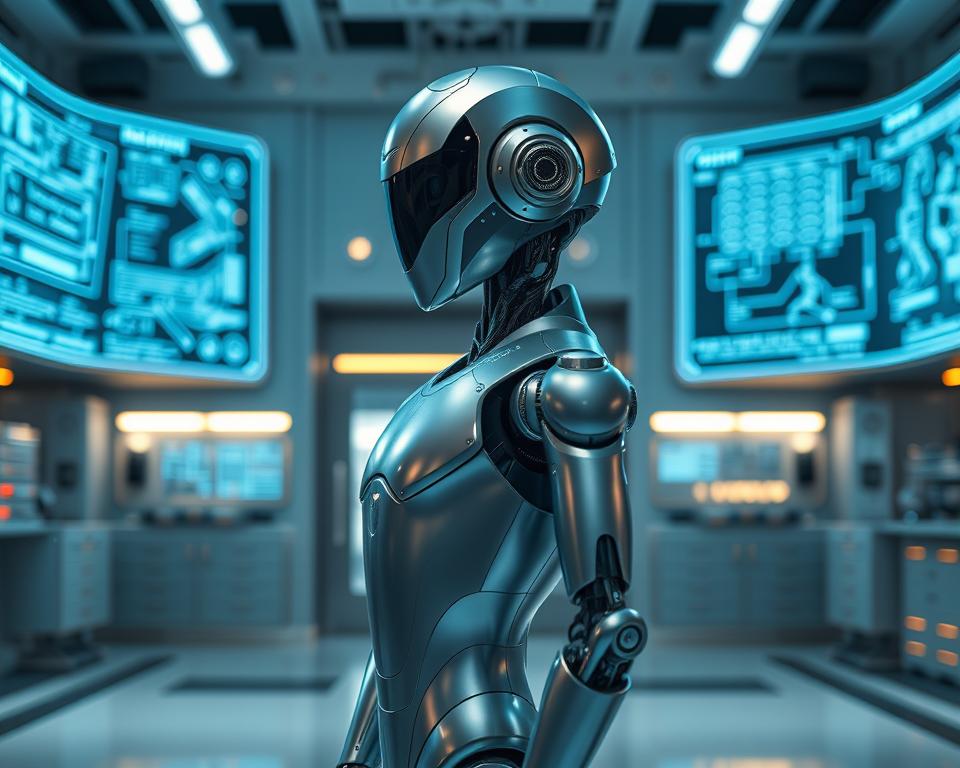
By listening to users, Tesla ensures the robot is a success in the market. This approach drives the robot’s development and use.
Conclusion
The Tesla Humanoid Robot is a big step forward in robotics and artificial intelligence. It shows what the future of automation and how humans and robots will work together might look like. This robot can do many tasks thanks to its advanced AI and machine learning.
Key Developments and Future Prospects
Tesla is leading the way in humanoid robot technology with the Tesla Humanoid Robot. It has many uses, from making things in factories to helping in healthcare and at home. This robot could change many industries, making things more efficient and productive.
Impact and Potential
Tesla’s work on the Tesla Humanoid Robot will have a big impact on the robotics world. The future of robots will depend on AI, machine learning, and how humans and robots work together. Tesla is leading this change, bringing us robots that can help and work with humans.
Looking Ahead
The Tesla Humanoid Robot is a big step in robotics’ growth. As this tech gets better, it will change many areas, from making things to helping us at home. The Tesla Humanoid Robot could change our lives and work places a lot, showing the need for more innovation in robot technology.
FAQ
What is the Tesla Humanoid Robot?
The Tesla Humanoid Robot, also known as Tesla Optimus, is a robot made by Tesla, Inc. It’s designed to do tasks that need human smarts and skill.
What are the key features of the Tesla Humanoid Robot?
This robot uses advanced AI to move and interact with its surroundings. Its design is like a human, making it good at tasks that need human-like skills.
How does the Tesla Humanoid Robot compare to other humanoid robots like Boston Dynamics Atlas?
Tesla Optimus and Boston Dynamics Atlas are both advanced robots. But, Tesla Optimus is made for more tasks, like work and home use. Atlas is mainly for search and rescue.
What are the potential use cases for the Tesla Humanoid Robot?
This robot could be used in many places, like factories, hospitals, and homes. Its AI and design make it great for tasks that need human-like abilities.
What are the technical specifications of the Tesla Humanoid Robot?
The robot’s details include its size, weight, how it moves, and its AI. It’s made to be very mobile and flexible, for moving in complex spaces.
How will the Tesla Humanoid Robot be maintained and supported?
Tesla will help keep the robot in good shape with regular care and support. They’ll also update it to keep it working well.
What are the pricing and availability plans for the Tesla Humanoid Robot?
Tesla hasn’t shared the robot’s price or when it will be available yet. But, they plan to make it affordable for many people.
How does the Tesla Humanoid Robot integrate with the Tesla ecosystem?
The robot works well with Tesla’s other products, like cars and smart homes. This makes using it a smooth and connected experience.
What are the ethical considerations surrounding the Tesla Humanoid Robot?
The robot brings up important ethical questions, like safety and jobs. Tesla is working to address these issues and ensure the robot is used responsibly.
What is the future of the Tesla Humanoid Robot?
The robot’s future looks bright, with Tesla planning to keep improving it. They aim to make it even better and use it in more ways.
How will user feedback impact the development of the Tesla Humanoid Robot?
Feedback from users is very important for the robot’s development. Tesla will use this feedback to make the robot better and meet user needs.