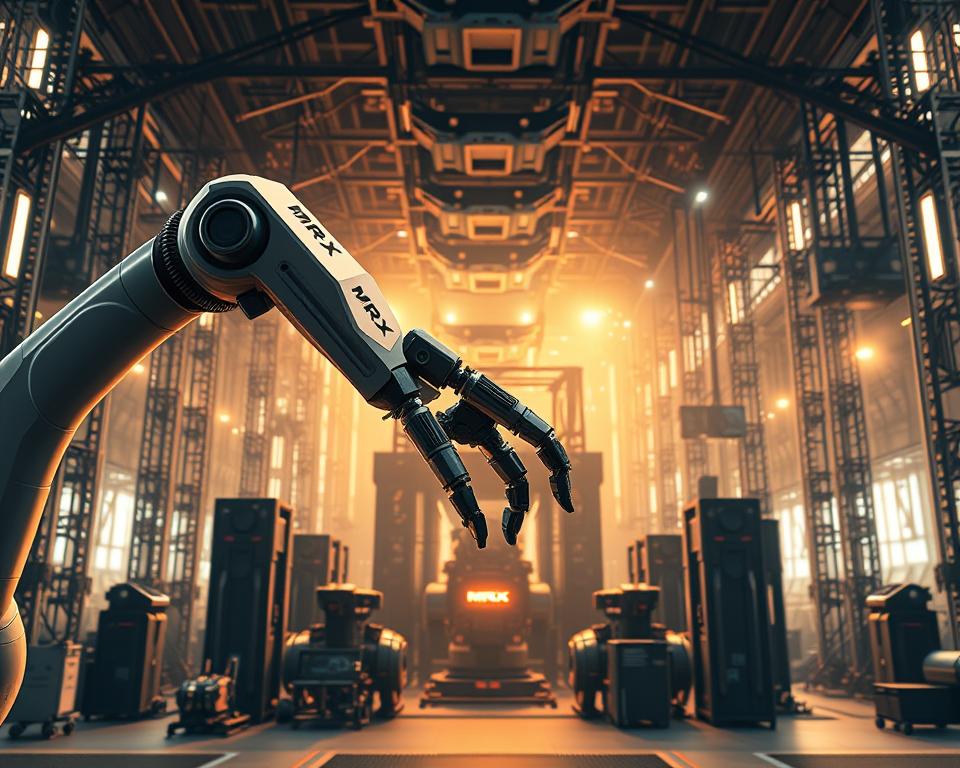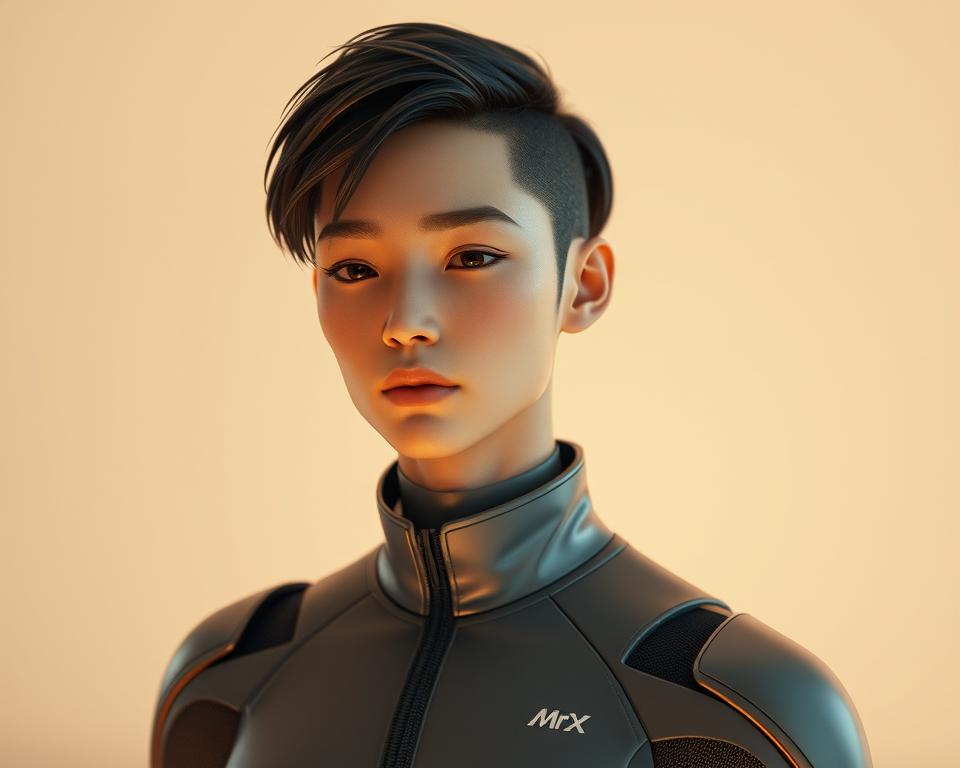
Can a digital being truly act like a human? The idea of a virtual humanoid is changing how we use technology.
Interactive digital characters, or digital avatars, are used in many ways. They can represent users or act as smart virtual agents.
We will look into the expert tips and techniques for making these digital beings real.
Key Takeaways
- Understanding the concept of virtual humanoids and their applications
- The role of digital avatars in representing users
- Expert techniques for crafting realistic virtual characters
- The significance of virtual humanoids in modern technology
- Best practices for creating interactive digital characters
Understanding Virtual Humanoids: Defined and Explained
Virtual humanoids are a new mix of AI and human-like interaction. They look and act like humans, making our digital experiences more real and fun.
What is a Virtual Humanoid?
A virtual humanoid is a digital being that acts like a human. It uses physics-based character control for real movements in virtual spaces.
Experts say, “Virtual humanoids are not just like humans in looks but also understand and react to our feelings. This makes our interactions more empathetic.”
“The future of human-computer interaction lies in creating entities that can understand and mirror human emotions.”
Key Characteristics and Features
Virtual humanoids have some key traits:
- Advanced AI-driven interactions
- Physics-based character control for realistic movements
- Ability to understand and respond to user emotions
- Human-like appearance and behavior
| Feature | Description | Benefit |
|---|---|---|
| AI-driven Interactions | Utilizes AI to engage in conversations | Enhances user engagement |
| Physics-based Control | Ensures realistic movements and interactions | Improves realism |
| Emotional Understanding | Responds to user emotions | Creates empathetic interaction |
With these features, virtual humanoids make our digital interactions more immersive and fun. They are changing how we use technology.
The Importance of Virtual Humanoids in Technology
Virtual humanoids are changing the future of technology. They can act like humans, making things better in many areas. This includes entertainment, education, customer service, and healthcare.
These virtual beings have many uses. They make things better for people and solve big problems in new ways.
Real-World Applications
Virtual humanoids are used in many ways in our world. They are very useful and have a lot of potential. Here are some examples:
- Education: They help teach and train, making learning more personal.
- Entertainment: They make games and stories more real and fun.
- Customer Service: They help customers 24/7, saving time and money.
- Healthcare: They support patients and help with mental health.
A study found that virtual humanoids in education really help. They make students more engaged and learn better (
A Study on Virtual Humanoids in Education
).
Benefits to Various Industries
Virtual humanoids help many industries in big ways. They change how businesses work and talk to customers.
| Industry | Benefits |
|---|---|
| Education | Personalized learning, enhanced student engagement |
| Customer Service | 24/7 Support, reduced operational costs |
| Entertainment | Immersive experiences, new forms of storytelling |
| Healthcare | Patient care support, mental health assistance |
By using virtual humanoids, industries can offer better services. They can also stay ahead in the market.
The Process of Designing a Virtual Humanoid
Making a virtual humanoid is a mix of creativity and technical skills in 3D modeling. It starts with a clear idea and ends with detailed 3D models.
Initial Conceptualization
The first step is to think about what the virtual humanoid will do, look like, and how it will work. This is the base of the project. Designers need to decide its purpose, like for fun, learning, or helping customers, and how it will talk to people.
Key considerations during conceptualization include:
- Defining the character’s personality and traits
- Deciding on the visual appearance, including facial features and body type
- Determining the range of motions and expressions
Creating 3D Models
After the idea is clear, it’s time to make the 3D model. This uses advanced software to make a model that looks good and can show emotions and movements well.
Making realistic 3D humanoid models uses AI to find the best facial poses. This tech helps make digital avatars that look very real.
| Technique | Description | Application |
|---|---|---|
| Blendshapes | Creating various facial expressions by morphing between different shapes | Enhancing realism in virtual characters |
| Motion Capture | Recording an actor’s movements and translating them into the virtual character | Improving the naturalness of movements and gestures |
| AI Algorithms | Using machine learning to optimize and refine the 3D model’s appearance and movements | Creating highly realistic digital avatars |
By using these methods, developers can make virtual humanoids that look amazing and can do complex things. This changes entertainment, education, and customer service.
Choosing the Right Technologies
To make advanced virtual humanoids, developers need to pick the best technologies. They use a mix of software and hardware. This mix brings these digital beings to life.
Software Tools for Development
Many software tools help create virtual humanoids. Each tool has special features and abilities. DIDIMO is one, used for making 3D humanoid models. Other tools like Blender or Autodesk Maya are great for modeling and animation.
The right software depends on the project’s needs. This includes the model’s detail and the animations.
| Software Tool | Primary Function | Notable Features |
|---|---|---|
| DIDIMO | 3D Humanoid Modeling | Automated model generation, high detail levels |
| Blender | 3D Modeling and Animation | Open-source, extensive community support, versatile |
| Autodesk Maya | 3D Computer Animation, Modeling, and Simulation | Industry-standard, comprehensive toolset, high-end features |
Hardware Considerations
Hardware is key for virtual humanoids. Motion tracking systems are vital. They use IMUs in HMDs to track real movements.
The right hardware boosts the virtual humanoid’s performance and realism. High-resolution displays and advanced tracking systems improve the user experience.
Programming for Virtual Humanoids
Creating virtual humanoids requires advanced programming for lifelike interactions. This involves using coding languages and frameworks that support AI and NLP. These tools help virtual humans understand and respond to user inputs effectively.
Coding Fundamentals for Interaction
To make virtual humanoids interactive, developers need to focus on coding basics. This includes:
- Understanding user input through NLP
- Developing context-aware responses
- Implementing machine learning algorithms for adaptive behavior
Example Code Snippet: Here’s a simple chatbot response using Python and NLP libraries.
import nltk
from nltk.stem import WordNetLemmatizer
lemmatizer = WordNetLemmatizer()

def clean_up_sentence(sentence):
sentence_words = nltk.word_tokenize(sentence)
sentence_words = [lemmatizer.lemmatize(word.lower()) for word in sentence_words]
return sentence_words
Advanced Techniques for Realism
To make virtual humanoids more realistic, developers can use advanced techniques. These include emotional intelligence and gesture recognition. These methods make interactions more natural and engaging.
| Technique | Description | Benefit |
|---|---|---|
| Emotional Intelligence | Allows virtual humanoids to understand and simulate human emotions | Enhances user engagement and empathy |
| Gesture Recognition | Enables virtual humanoids to recognize and respond to human gestures | Improves interaction naturalness |

By using these advanced techniques, developers can create virtual humanoids that look and interact like real people. This greatly improves the user experience.
Integrating Artificial Intelligence
AI is changing how virtual humanoids work. They can now learn, adapt, and respond like humans. This is key for making AI companions that really talk to us.
AI’s Role in Virtual Humanoids
AI lets virtual humanoids understand and react to human feelings. This is vital for a virtual human that feels real to us.
AI makes virtual humanoids more lifelike. They can learn from us and change how they talk. This makes our time with them more fun and personal.
Machine Learning vs. Traditional Programming
There are two ways to add AI to virtual humanoids: machine learning and traditional programming. Machine learning lets them get better over time. Traditional programming sticks to set rules.
- Machine learning makes interactions more flexible and real.
- Traditional programming keeps things simple and steady.
Which method to use depends on how complex and real you want the interactions to be.
Animation Techniques for Virtual Humanoids
To make virtual humanoids come alive, we need advanced animation methods. These methods aim to make characters look and act like real people. They should move and interact in a way that feels natural.
Motion Capture Technology
Motion capture is a key tool for animating virtual humanoids. It records a real person’s movements and turns them into digital ones. Motion capture technology makes movements very realistic because it uses real human data.
Keyframe Animation vs. Procedural Animation
There are two main ways to animate virtual humanoids: keyframe and procedural animation. Keyframe animation sets specific poses and then fills in the gaps to make it seem like the character is moving. This method gives developers a lot of control over the character’s actions.
Procedural animation uses algorithms to create movements based on certain rules. This method can make movements more dynamic and varied. It can also adapt to different situations without needing specific keyframes.
| Animation Technique | Description | Advantages |
|---|---|---|
| Motion Capture | Records real human movements and applies them to digital characters. | Highly realistic movements, captures subtle human nuances. |
| Keyframe Animation | Involves setting specific poses at certain times and filling in the missing frames. | Precise control over character movements, suitable for specific actions. |
| Procedural Animation | Uses algorithms to generate movements based on parameters. | Dynamic and varied movements, adaptable to different situations. |
Both keyframe and procedural animation are important for creating virtual humanoids. The choice between them depends on the project’s needs. By mixing these techniques, developers can make their virtual characters very realistic and interactive.
Enhancing User Interaction
User interaction is key in virtual humanoid tech. It needs careful design and implementation. A virtual humanoid’s success depends on its ability to understand and respond to user inputs naturally and intuitively.
User Interface Design
The user interface (UI) design is crucial for user experience with virtual humanoids. A good UI is intuitive, making it easy for users to navigate and communicate. It should be both beautiful and functional.
When designing UI for virtual humanoids, consider the layout, color scheme, typography, and interactive elements. These must work together to create a great user experience. For example, the right color schemes can strengthen the bond between the user and the virtual humanoid.
Natural Language Processing
Natural Language Processing (NLP) is vital for better user interaction with virtual humanoids. NLP lets virtual humanoids understand, interpret, and generate human language. This makes communication more natural and effective.
NLP integration enables virtual humanoids to handle user queries like humans. This boosts the user experience and makes virtual humanoids more useful as virtual assistants.
- Understanding nuances of language
- Interpreting context
- Generating appropriate responses
Improving NLP can make virtual humanoids better at meeting user needs. This enhances overall user interaction.
Testing and Refining Virtual Humanoids
Testing and refining virtual humanoids is a process that needs lots of user testing and feedback. It’s key to find out what needs work and make sure they meet user expectations.
User Testing: A Critical Component
User testing lets us see how real people interact with virtual humanoids. We use methods like usability testing, interviews, and surveys. The insights from user testing help make the virtual humanoid better.
“User testing is not just about finding bugs; it’s about understanding how users interact with your virtual humanoid and making data-driven decisions to improve their experience.” – Expert in Virtual Humanoid Development
Feedback Loops for Continuous Improvement
Feedback loops are key for making virtual humanoids better over time. By using user feedback, developers can improve the virtual humanoid’s performance and user experience. This keeps the virtual humanoid relevant and effective.
| Feedback Type | Description | Impact on Virtual Humanoid |
|---|---|---|
| User Feedback | Direct input from users on their experience | Improves user experience and interaction |
| Performance Data | Metrics on the virtual humanoid’s performance | Enhances efficiency and functionality |
| Usability Testing | Observations of users interacting with the virtual humanoid | Identifies and resolves usability issues |
By focusing on user testing and feedback, developers can make virtual humanoids more intuitive and engaging. As the field grows, these processes will become even more important.
Ethical Considerations in Creation
Ethical issues are key when making virtual humanoids. As they get smarter, we must think more about their ethics.
Addressing Privacy Concerns
Privacy is a big worry with virtual humanoids. They need lots of personal data to work well. This raises questions about how this data is handled.
It’s important to make sure virtual humanoids respect privacy. This means using less data, keeping it safe, and being clear about how it’s used.
- Data minimization
- Secure data storage practices
- Transparent data usage policies
Developers must find a balance. They need data to make virtual humanoids better, but they also need to protect users’ privacy. This means strong privacy measures and being open about data use.
Implications for Human Relationships
Virtual humanoids could change how we connect with each other. They might make our relationships different. It’s important to think about how they could affect our social norms and behaviors.
Some possible effects include:
- Changes in how we see companionship and intimacy
- Potential for feeling isolated or less connected with others
- New ways to interact and build communities
By understanding these effects, developers can make virtual humanoids that help our relationships, not hurt them.
In summary, making virtual humanoids is a complex task with many ethical questions. By focusing on privacy and considering their impact on human connections, developers can create more positive and responsible virtual beings.
Trends in Virtual Humanoids
Virtual humanoids are on the verge of a big change. This is thanks to new tech in AI, NLP, and 3D modeling. These technologies are making virtual humanoids more real and interactive. They’re also being used in more areas.
Innovations in the Field
AI has made virtual humanoids more interactive and smart. Natural Language Processing (NLP) helps them understand and talk like humans. Also, better 3D modeling makes them look more real and friendly.
Machine learning algorithms have also improved them. These algorithms let humanoids learn from us and change how they act. This makes their interactions more personal and fun.
Future Predictions
The future of virtual humanoids looks bright. With more AI progress, they’ll be even more part of our lives. They could help in many ways, like better customer service and education.
They’re likely to be used more in healthcare and education. They could offer personalized help and advice. This could really help in these important fields.
- Increased use of virtual humanoids in customer service
- More sophisticated AI-driven interactions
- Expansion into new industries such as healthcare and education
As virtual humanoid tech keeps getting better, we need to keep up with the latest. This way, we can use this tech to make things better in many areas.
Successful Case Studies
Virtual humanoids are being used more in different fields. Looking at successful examples can teach us a lot. They show how these virtual characters can make things better for users.
Analysis of Leading Virtual Humanoids
Many virtual humanoids have done well in areas like education, customer service, and fun. For example, virtual teaching assistants help students get more involved and learn better.
- Virtual customer service reps help customers all day, every day.
- Virtual characters in shows have changed how we enjoy stories.
These examples show how versatile and useful virtual humanoids can be.
Lessons Learned from These Examples
Looking at these successes, we learn a few important things. First, how realistic and easy to use a virtual humanoid is matters a lot. Ones that act like humans work best.
- It’s key to know who you’re making it for and make it fit their needs.
- Always test and update based on what users say to make it better.
By using these tips, creators can make virtual humanoids that are more fun and useful.
The Role of Virtual Humanoids in Education
Virtual humanoids are changing education by offering interactive and personalized learning. Schools are looking for new ways to keep students interested. Virtual humanoids are becoming a key solution.
Engaging Students Effectively
Virtual humanoids are great at keeping students engaged. They make learning fun with interactive lessons. This is really helpful for subjects that are hard to get excited about.
Interactive learning activities with virtual humanoids include simulations and games. These activities make learning fun and give students real-world experience in a safe space.
Personalized Learning Experiences
Virtual humanoids also offer personalized learning experiences. They use data to adjust their teaching to fit each student’s needs. This means learning is tailored to how each student learns best.
The table below shows some key features of personalized learning with virtual humanoids:
| Feature | Description | Benefit |
|---|---|---|
| Adaptive Learning | Adjusts to individual student’s learning pace | Improves student outcomes |
| Customized Content | Tailors learning material to student’s needs | Enhances engagement |
| Real-time Feedback | Provides immediate feedback on student’s performance | Facilitates timely interventions |
With these features, virtual humanoids make learning more effective and fun. They help students get the most out of their education.
Marketing Virtual Humanoids
As virtual humanoids become more common, good marketing is key to their success. This technology offers a chance for businesses to connect with people in new ways. It’s a great opportunity to use this tech to reach out to audiences.
Strategies for Reaching Target Audiences
To market virtual humanoids well, knowing your audience is crucial. You need to look at who they are, what they like, and how they act. Segmentation, targeting, and positioning (STP) help you reach and connect with them.
For example, if a company makes virtual humanoids for schools, they should talk to teachers and schools first. They can show how their tech helps in education. This way, they meet the needs of their audience.
Utilizing Social Media Platforms
Social media is a great way to market virtual humanoids. You can share videos and interactive stuff to show off your tech. Social media advertising helps you reach the right people, making your marketing better.
Let’s say a company has a social media campaign with a virtual humanoid. They show what their tech can do. By posting this on different platforms, they get more people to know about them.
To make social media marketing work, create interesting content. Show off what makes your virtual humanoids special. With good content and smart marketing, you can promote your virtual humanoids and meet your goals.
Future Developments and Opportunities
The world of virtual humanoids is on the verge of a big change. This change comes from new technologies like artificial intelligence (AI), augmented reality (AR), and virtual reality (VR). These advancements will shape the next wave of virtual humanoids.
Emerging Technologies to Watch
Several new technologies will affect virtual humanoids. These include:
- Advanced AI: It will make interactions and decisions more complex.
- AR/VR Integration: It will make experiences more immersive and open up new uses.
- Machine Learning: It will make interactions more personal and flexible.
These technologies will not only make virtual humanoids better. They will also create new ways to use them.
Potential New Markets for Virtual Humanoids
As virtual humanoid tech gets better, new markets will open up. Some of these areas include:
| Market | Application | Potential Impact |
|---|---|---|
| Healthcare | Personalized patient care and therapy | Improved patient outcomes and experience |
| Education | Interactive learning experiences | Enhanced engagement and understanding |
| Customer Service | AI-driven support and interaction | Increased efficiency and customer satisfaction |
The future of virtual humanoids looks promising. New technologies and markets will lead to big improvements. As these technologies grow, we’ll see virtual humanoids playing a bigger role in our lives.
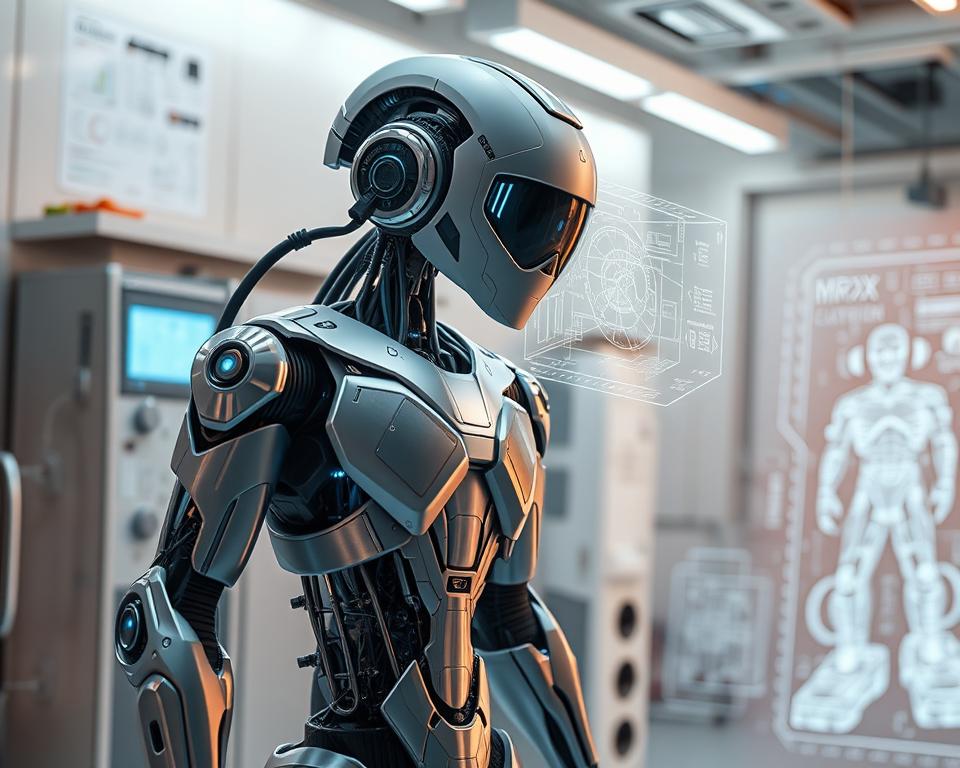
Conclusion: The Path Ahead in Virtual Humanoids
Virtual humanoids are changing the tech world, thanks to AI, NLP, and 3D modeling. This article showed how making a virtual humanoid is a complex process. It starts with ideas, then moves to testing and making it better.
Key Takeaways
Virtual humanoids could change many fields, like education and marketing. They offer personal and fun experiences. AI and machine learning help them act more like real people.
Future Directions
We need to keep exploring what virtual humanoids can do. By using new tech and ideas, we can make them even better. Let’s use virtual humanoids to make our future more interactive and fun.
FAQ
What is a virtual humanoid?
A virtual humanoid is a digital avatar that acts like a human. It uses AI and NLP to understand and talk back to users.
What are the key characteristics of a virtual humanoid?
Virtual humanoids can sense and react to emotions. They use AI for interactions. This makes them more real and fun to interact with.
What are the benefits of using virtual humanoids in education?
They offer personalized learning. They engage students better. And they make learning more interactive and fun.
How are virtual humanoids used in customer service?
They provide 24/7 support. They handle simple questions. And they send complex issues to humans, improving service.
What software tools are used to develop virtual humanoids?
Developers use 3D modeling and motion tracking. They also use AI frameworks and programming languages like Python and Java.
What are the ethical considerations when creating virtual humanoids?
Ethical issues include privacy and transparency. It’s important to think about how they affect human relationships and society.
How can virtual humanoids be marketed effectively?
Use social media and target specific groups. Highlight their benefits and unique features to attract users.
What are the future trends and predictions in the field of virtual humanoids?
Expect better AI and more use in industries. Animation will get more realistic, making virtual humanoids more engaging.
How can user testing and feedback improve virtual humanoids?
Testing and feedback are key. They help make virtual humanoids better. They ensure they meet user needs and improve their performance.
What is the role of AI in virtual humanoids?
AI is crucial. It helps virtual humanoids understand and respond to users. It makes their behaviors more realistic.
What are the potential new markets for virtual humanoids?
New markets include education, healthcare, and entertainment. They offer innovative solutions and enhance user experiences.