As machines become more part of our lives, a big question pops up: Can robots really understand and meet our needs?
The area of human-robot interaction (HRI) is growing fast. This is thanks to new tech in artificial intelligence (AI) and advanced robotics technology. This mix is changing how we talk and work with robots.
Robots that interact with us are now in many fields. This opens up huge chances for better work and life. As we dive into HRI, it’s obvious that our future will be shaped by these tech leaps.
Key Takeaways
- The field of HRI is rapidly evolving with advancements in AI and robotics.
- Interactive robots are being integrated into various industries.
- HRI has the potential to enhance efficiency and productivity.
- The future of work and daily life will be impacted by HRI advancements.
- Advances in AI are driving the development of interactive robots.
Evolution of Human-Robot Interactions
Human-robot interaction (HRI) has changed a lot over time. It has moved from simple tasks to complex teamwork. This change has changed how we see robots in different fields.
The history of HRI is key to understanding today’s robots. At first, robots only worked in factories, doing the same thing over and over. But, as technology got better, robots started working with people. They began to talk and work together.
Historical Perspective
The idea of robots talking to humans started in the early 1900s. The first robots were big and only used in factories. But, as technology improved, so did the robots’ abilities. This led to more advanced HRI.
Key developments in HRI history include:
- Introduction of the first industrial robots in the 1960s
- Advancements in robotic sensors and mobility in the 1980s
- Emergence of social robots in the 2000s, capable of interacting with humans
Key Milestones in Development
HRI has seen big steps forward, like the creation of collaborative robots (cobots). These cobots work with people in many fields. They make work better and safer.
| Year | Milestone | Description |
|---|---|---|
| 1960s | First Industrial Robots | Introduction of the first industrial robots, revolutionizing manufacturing processes. |
| 1980s | Advancements in Robotics | Significant advancements in robotic sensors and mobility, enhancing robot capabilities. |
| 2000s | Emergence of Social Robots | The development of social robots capable of interacting with humans, marking a new era in HRI. |
HRI is still growing, with new research and robots being made. As it gets better, we’ll see robots doing more cool things in many areas.
Current Innovations in Human-Robot Technology
Recent breakthroughs in artificial intelligence are changing how humans and robots interact. The future of robotics depends on AI, sensor tech, and better mobility.
Advanced AI Integration
Robots now understand and respond to human emotions better thanks to advanced AI. They use complex algorithms to read human behavior and react properly.
- Emotion Recognition: Robots can now spot human emotions through faces and voice tones.
- Contextual Understanding: AI lets robots grasp the situation, making their interactions more meaningful.
For instance, robots in healthcare can offer emotional support to patients, improving their care experience.
Sensor and Mobility Enhancements
Improvements in sensors and mobility are key for robots to move and interact well. These upgrades help robots do complex tasks with better precision.
- Sensor Technologies: New sensors let robots see their surroundings, find obstacles, and change their actions.
- Mobility Improvements: Better mobility makes robots move smoothly and work well with humans.
These technologies are making human-robot interactions more advanced. As robots get more agile and aware, they’re being used in more industries.
In conclusion, new tech in human-robot interactions is making robots more capable. With AI getting better, we’ll see even more advanced interactions in the future.
Prominent Applications of Human-Robots
Human-robot collaboration is changing many industries with innovative robotic systems and intelligent robot designs. Robots are making work better and safer. They also help people and machines work together better.
Healthcare Assistants
Robots are changing healthcare by making care better and procedures safer. Surgical robots help doctors do precise work with less harm. They help patients get better faster.
Rehabilitation robots help patients get back on their feet. They offer therapy that fits each person’s needs. AI-powered robots also help the elderly and disabled. They do daily tasks, keep people company, and check on their health.
Manufacturing Robots
In manufacturing, robots make work better and products better too. Industrial robots do tasks over and over without mistakes. This makes work more efficient and products better.
Cobots, or collaborative robots, are becoming more popular. They work with humans to make work safer and better. This helps everyone do their job better.
Service Industry Automation
The service industry is also getting better with robots. Hospitality robots help with customer service. Robots help with logistics and delivery too.
Service robots make work better and improve customer experiences. They can give information, guide people, or help with cleaning. This makes things easier for everyone.
Ethical Considerations in Robotics
Robots are becoming part of our daily lives, raising many ethical questions. As they get smarter and more independent, we worry about their effect on society. This includes how they work with humans and their role in jobs.
Risks of Human-Robot Collaboration
One big worry is the safety of working with robots. As robots take on more tasks, the chance of accidents or misuse increases. It’s vital to make sure robots are safe and reliable to avoid harming people.
Safety Protocols: It’s important to have strong safety measures in place. This means designing robots with backup systems and emergency stops.
“The future of robotics depends not just on technological advancements, but also on our ability to address the ethical implications of these technologies.” –
Impact on Employment
Robots also raise concerns about jobs. While they can make things more efficient, they might replace human workers. We need to find ways to protect jobs.
| Industry | Potential Job Displacement | New Job Creation |
|---|---|---|
| Manufacturing | Assembly Line Workers | Robot Maintenance Technicians |
| Healthcare | Administrative Assistants | Robotics Programmers |
| Service Industry | Customer Service Representatives | AI Trainers |
The use of advanced robotics technology and artificial intelligence robots needs careful thought. We must weigh their benefits against their challenges. By understanding these issues, we can ensure that latest human robot interactions are positive and responsible.
Impact of Robotics on Daily Life
Cutting-edge robotics is transforming our daily lives. It’s now part of our homes and schools. Robotics makes our lives easier and more efficient.
Smart Homes and Personal Assistants
Smart homes owe a lot to robotics. AI-driven personal assistants like Alexa and Google Assistant are everywhere. They help with daily tasks and home management.
These assistants are getting smarter. They work with robots to make our homes even better.
Robotics in Education
Robots are changing classrooms, helping with STEM learning. Dash and Dot teach programming to kids.
Robots do more than teach coding. They also improve learning in math and science.
| Robotics Platform | Educational Focus | Age Group |
|---|---|---|
| Dash and Dot | Programming and Coding | 6-12 years |
| Lego Mindstorms | Robotics and Engineering | 8-16 years |
| Sphero | STEM Education | 5-14 years |
Robotics in schools makes learning fun and interactive. As human-robot collaboration grows, students will be ready for a future with robots and AI.
Leading Companies in Robotics
Boston Dynamics, SoftBank Robotics, and ABB Robotics are leading the way in intelligent robot designs. They are changing industries with their advanced robots.
Boston Dynamics
Boston Dynamics is famous for its cutting-edge robots. They have Atlas, a humanoid robot, and Spot, a quadruped robot.
SoftBank Robotics
SoftBank Robotics has made a big impact with robots like Pepper. Pepper is the first robot that can recognize emotions.
They are looking into how innovative robotic systems can help in education and fun.
ABB Robotics
ABB Robotics is a top name in industrial robots. They offer solutions that make manufacturing better and safer.
Their robots are known for being precise and reliable. They are key in today’s factories.
| Company | Notable Robot | Application |
|---|---|---|
| Boston Dynamics | Atlas | Search and Rescue |
| SoftBank Robotics | Pepper | Customer Service, Healthcare |
| ABB Robotics | IRB 6700 | Industrial Manufacturing |
These companies are changing the future of robotics. They are making robots that can really talk to humans.
Challenges in Human-Robot Interaction
As humans and robots work together more, it’s key to tackle the challenges they face. The success of their teamwork depends on how well robots can work safely and be accepted by people.
Safety Protocols
Ensuring humans are safe when working with robots is a big challenge. It’s about creating robust safety protocols that can spot and handle dangers. Advanced sensors and AI help by letting robots predict and avoid risks.
To set up safety rules, we need a few steps:
- Collision detection systems
- Safety-rated monitored stop
- Speed and separation monitoring
With these steps, robots can be safer in places where humans also work.
User Acceptance and Trust
Getting people to trust and accept robots is another big hurdle. For robots to be good team players, humans need to trust them and feel okay working with them. This trust comes from intuitive robot design and clear operation.
To boost trust, we can:
- Make robots easy to use
- Give robots clear ways to communicate
- Make sure robots behave in a way people can predict
By focusing on these areas, we can make robots that are not just useful but also reliable.
Future Trends in Robotics
The next generation of robots will have better emotional intelligence. They will understand and respond to human feelings more effectively. This will change many areas, like healthcare and customer service, by making interactions more personal and caring.
Emotional Intelligence in Robots
Robots with emotional intelligence can read and understand human emotions. They can then respond in a way that is both fitting and supportive. This is made possible by advanced AI that can spot facial expressions, tone of voice, and other emotional signs.
Key Features of Emotionally Intelligent Robots:
- Emotion recognition through facial and vocal analysis
- Contextual understanding of human behavior
- Adaptive response mechanisms to provide comfort or assistance
These features will help robots connect better with humans. This will improve teamwork and trust.
Autonomous Learning Capabilities
Autonomous learning is a big trend in robotics. Robots that can learn on their own will adapt to new tasks without needing to be reprogrammed a lot. This is thanks to machine learning algorithms that let robots learn from their experiences.
The integration of autonomous learning in robots will change industries like manufacturing and logistics. Robots will get better at adjusting to new situations and tasks. They will also learn and improve based on real-time data.
As robotics keeps getting better, robots will become more efficient and relatable. They will be more trustworthy too. This will help robots become a bigger part of our daily lives and many industries.
Case Studies: Successful Human-Robot Teams
Robots are now part of many industries, making teams with humans more productive and innovative. Human-robot collaboration is growing, with robots helping humans with tough tasks. This makes work more efficient.
Healthcare Robots in Hospitals
In healthcare, robots help with patient care and medical tasks, showing the power of innovative robotic systems. They assist in surgeries, patient rehab, and even delivering medicine.
Robots in hospitals ease the work of healthcare staff, leading to better patient care. They monitor vital signs, remind patients about medication, and aid in physical therapy.
Service Robots in Hospitality
In the hospitality world, service robots make customer experiences better with automated services. They are used in hotels, restaurants, and more to offer efficient, personalized service.
For example, some hotels use robots for check-in and check-out. Others deliver room amenities. This boosts customer happiness and cuts labor costs.
The use of robots in hospitality shows robotic human interaction at work. Robots are made to be friendly and easy to use, making customers happier.
Insights from Robotics Researchers
Robotics researchers are changing how humans and robots work together. They are sharing their knowledge to improve cutting-edge robotics technology.
Interviews with Industry Experts
Leading robotics researchers are giving us a peek into the future of human-robot teamwork. Dr. Cynthia Breazeal, a robotics pioneer, says it’s key to make robots that get and show human feelings.
“The next generation of robots will be more intuitive and responsive to human needs, enhancing collaboration and productivity,” said Dr. Henrik Christensen, Director of the Contextual Robotics Institute.
Emerging Research Areas
New areas in robotics include robots with emotional intelligence and autonomous learning. These changes will affect many fields, like healthcare and manufacturing.
- Robots that learn from their surroundings and adjust to new situations.
- Robots that understand and show emotions to better interact with humans.
- Improved sensors to help robots see and react better.
As latest human robot tech keeps coming, experts are excited. They think robots will soon be big helpers in our daily lives and work.
Predictions for Robotics in the Next Decade
Robotics is set to change many parts of our lives in the next ten years. We will see more advanced robots that work well with humans.
Technological Advancements
Robotics will see big steps forward, thanks to artificial intelligence (AI) and machine learning. These will make robots smarter and more able to work with us.
- Enhanced sensor capabilities for better environmental perception
- Advanced AI algorithms for more sophisticated decision-making
- Increased mobility and flexibility in robotic design
Robots will also learn to understand and show emotions. This will help them work better with us.
Societal Changes and Adaptation
Robots will become a big part of our daily lives. They will help in many areas, like healthcare assistants and service industry automation.
- Increased use of robots in elderly care and companionship
- Robots taking on more roles in education and training
- Greater acceptance of robots in public spaces and workplaces
The future of robotics is exciting. But we must think about how it will change our society and adapt to these changes.
Government and Regulatory Frameworks
Regulatory frameworks are key to making sure robots are safe and good for society. As robotics grows, governments worldwide must create policies that support innovation and protect people.
Policies Affecting Robotics Development
Government policies greatly influence robotics development. These policies can include funding for research and rules for safety and use. For example, policies that back innovative robotic systems can speed up tech progress.
The table below shows some important policies and their effects on robotics:
| Policy | Description | Impact on Robotics |
|---|---|---|
| Research Funding | Government grants for robotics research | Speeds up tech progress |
| Safety Regulations | Standards for safe robot use | Makes sure robots are safe and trusted |
| Trade Policies | Tariffs and rules on robot imports/exports | Changes robot costs and availability |
International Collaboration on Standards
As robotics spreads globally, working together on standards is vital. This teamwork makes sure robots are safe and work well together, helping share robotic tech worldwide.
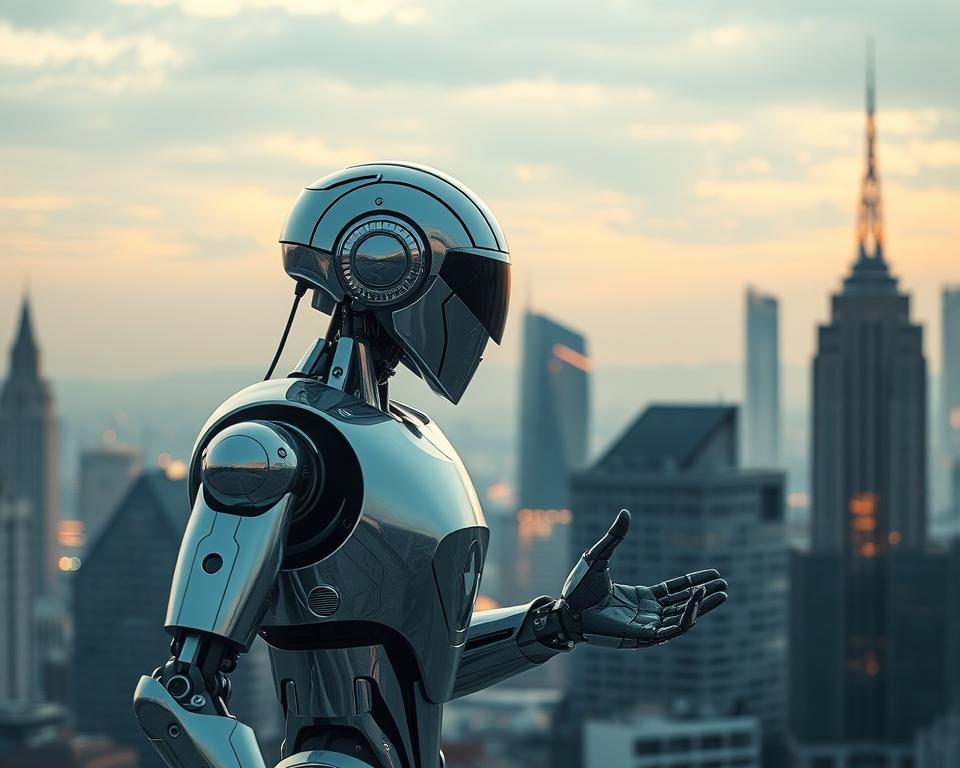
The creation of intelligent robot designs that safely interact with humans is a big area for international standards. Common standards help countries ensure robots have the needed safety features.
International work also covers ethical issues, like privacy and robot job effects. By teaming up, governments can make rules that help robotics grow responsibly.
Conclusion: The Path Ahead for Human-Robot Interaction
Looking ahead, human-robot interaction will grow, changing industries and daily life. The latest human robot tech is set to change how we work and interact.
Key Takeaways
The growth of human-robot collaboration is notable. Advances in AI, sensors, and mobility have been key. These have opened up new areas in healthcare, manufacturing, and services.
Future Collaborations
The future of robotics is bright. We need to imagine how humans and robots will work together. Together, we can make robots help us, boost productivity, and make our lives better.
FAQ
What is human-robot interaction, and why is it important?
Human-robot interaction is the study of how humans and robots work together. It’s key because AI, robotics, and machine learning are making robots more interactive. This boosts productivity and efficiency in many fields.
How have human-robot interactions evolved over time?
Human-robot interactions have changed a lot. They’ve moved from just industrial settings to working together in many areas. This change is thanks to better AI, sensors, and robots that can move around.
What are some current innovations in human-robot technology?
Today, we see advanced AI, better sensors, and robots that can move around easily. We also have robots that can understand and respond to emotions. These advancements help humans and robots work better together.
In which industries are human-robot interactions most prominent?
Robots are most used in healthcare, manufacturing, and service industries. They help in these areas by assisting in healthcare, improving manufacturing, and automating services. This shows how robots are making these fields better.
What are the ethical considerations in robotics, particular in human-robot collaboration?
Ethics in robotics include the risks of working with robots, job impact, and safety. It’s important to have strong safety measures to ensure robots are trustworthy and safe to work with.
How are robots impacting daily life, and what role do they play in smart homes and education?
Robots are making our daily lives easier by helping in smart homes and as personal assistants. They also help in education by making learning more manageable. This improves our quality of life.
Which companies are leading the way in robotics, and what are their contributions?
Boston Dynamics, SoftBank Robotics, and ABB Robotics are leading the robotics field. They’re creating new robotic systems, using advanced AI, and improving how humans and robots work together.
What are the challenges in human-robot interaction, and how can they be addressed?
Challenges include needing strong safety measures, making users trust robots, and dealing with risks. Addressing these will help improve human-robot collaboration.
What future trends can we expect in robotics, particular in emotional intelligence and autonomous learning?
We’ll see robots that understand and interact with humans better, thanks to emotional intelligence and learning on their own. This will help them adapt to new situations.
How are government and regulatory frameworks affecting robotics development?
Governments and regulations are shaping robotics through policies and standards. This international effort is guiding the future of robotics.