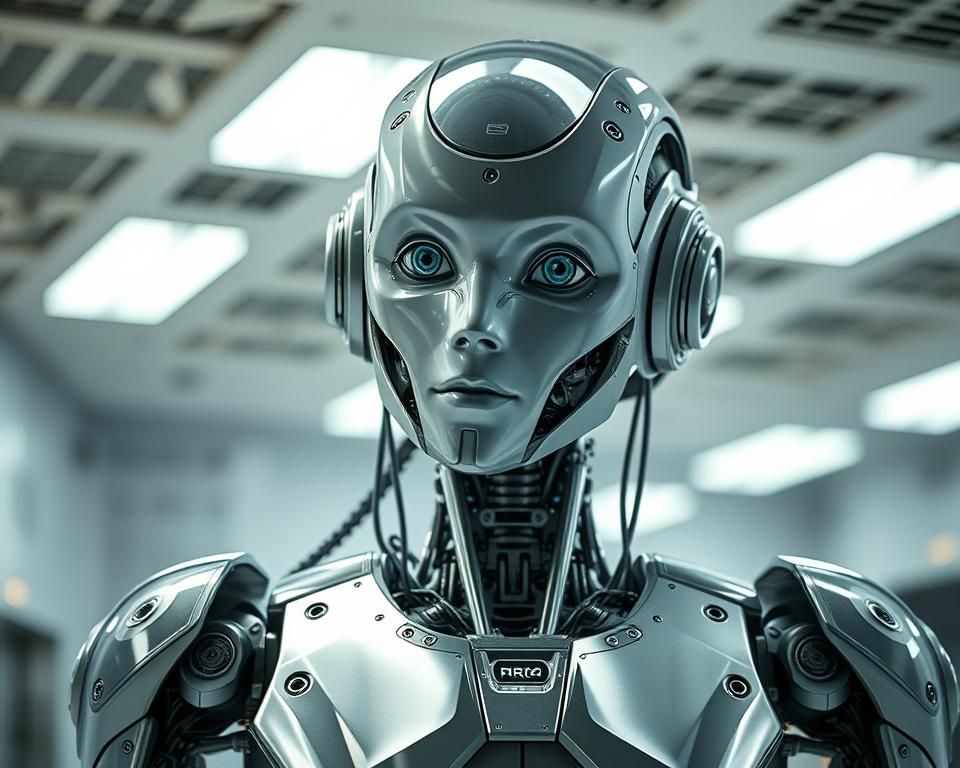
Humanoid real robots are now a reality, not just in science fiction. They are changing how industries work, from making things to helping in hospitals. Companies like Apptronik and Boston Dynamics are making robots that can do complex tasks, just like humans.
New advancements in how robots move and learn are making them more useful. In healthcare, robots help with surgeries and care for patients. In hotels, they welcome guests and handle tasks. Even big names like Tesla and Apple are investing in these robots, showing they believe in their potential.
Key Takeaways
- Humanoid real robots are transforming logistics, healthcare, and customer service.
- AI advancements enable realistic humanoids to perform precise, repetitive tasks efficiently.
- Emerging models from Apptronik and others highlight rapid innovation in the field.
- Investments from major tech firms signal confidence in humanoid robotics’ future.
- These innovations raise ethical and practical questions about human-robot collaboration.
Understanding Humanoid Robots
Human-like robots are made to look and act like humans. They use sensors, motion systems, and AI to move and interact. This makes them different from regular industrial robots.
Definition and Characteristics
These robots can walk on two legs or have more limbs. They can recognize faces, talk, and move like people. IEEE says they use cameras and AI to understand their surroundings.
“Human-like robots bridge the gap between human needs and technological solutions.” – Robotics Today Journal
Types of Humanoid Robots
- Assistive robots: Help the elderly or aid in rehabilitation.
- Industrial models: Work in factories for precise tasks.
- Research platforms: Used for AI and mobility studies.
Applications in Society
These robots are changing many fields:
- Healthcare: Assist in surgeries and care for patients.
- Retail: Help customers in stores.
- Education: Make learning more interactive.
They also help in disaster zones. Their role in society keeps growing as technology improves. They meet many human needs with accuracy and speed.
The Evolution of Humanoid Robotics
The journey from early mechanical prototypes to today’s lifelike androids shows decades of innovation. Advances in engineering and software have turned these machines into complex systems. They can now interact with the world in new ways.
Historical Milestones
| Year | Development | Impact |
|---|---|---|
| 1973 | WABOT-1 (Waseda University) | First humanoid with vision, manipulation, and locomotion systems. |
| 1986 | Honda’s E0 (ESPER I) | Pioneered bipedal movement research. |
| 2000 | Honda’s ASIMO | Set standards for humanoid mobility and interaction. |
| 2015 | Sophia by Hanson Robotics | Advanced facial expressions and conversational abilities. |
Key Technological Advances
- Advanced actuators enabling fluid motion
- Sensors for real-time environmental data collection
- Synthetic materials replicating human-like skin and flexibility
Impact of AI on Humanoid Development
AI is key to modern humanoids’ intelligence. Machine learning algorithms let them adapt to new situations. Natural language processing (NLP) helps them understand and communicate better.
Emotion recognition software makes interactions more natural. This makes robots better at working in healthcare and customer service.
Current Leaders in Humanoid Robotics
Leading companies are making big strides in humanoid robotics. They’re creating artificial humans that mix engineering and AI. Three companies are leading the way, changing what’s possible and how we use robots.
Boston Dynamics
Boston Dynamics is at the top with Atlas, a robot that can do backflips and complex moves. Its advanced AI and motion control set new standards for robots. Atlas can now handle uneven ground, showing its potential for disaster relief and work.
SoftBank Robotics
SoftBank Robotics uses Pepper and NAO in real-life situations. Pepper talks to customers in stores and hospitals, using facial and speech analysis. NAO teaches coding and STEM to students all over the world.
Honda’s ASIMO
Honda’s ASIMO was a trailblazer in humanoid robots, even though it retired in 2022. It could walk and climb stairs with 34 degrees of freedom. Its work inspires new robots focused on working with humans.
Notable Humanoid Robot Models
Three models lead in humanoid technology. They show off advanced AI and dynamic movements. These robots mix innovation with practical uses.
Sophia by Hanson Robotics
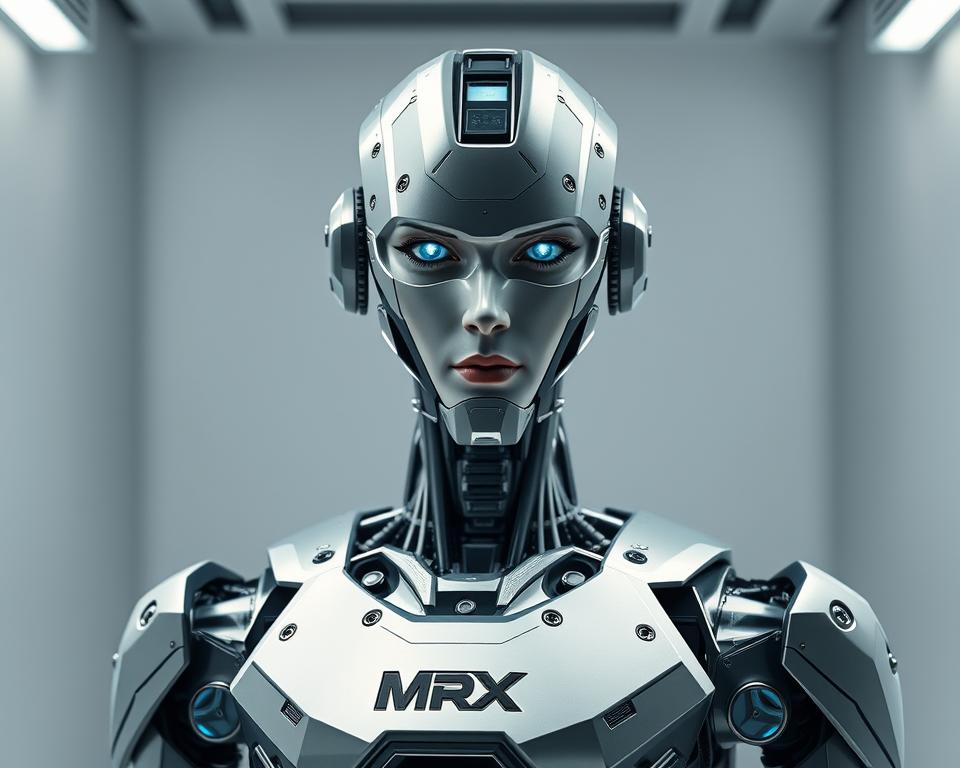
Sophia, made by Hanson Robotics, is famous for being the first robot citizen. She can talk and show emotions like humans. Sophia uses AI to chat and talk about ethical AI on shows like “Good Morning Britain.”
Her creators see her helping in healthcare and education. They believe her emotional smarts will make a big difference.
Atlas by Boston Dynamics
Atlas, from Boston Dynamics, is all about strength. It can do backflips and balance on one leg. It uses sensors and algorithms to move through tough places.
The robot’s updates now focus on helping in disasters and doing industrial jobs. It shows how humanoid technology can handle tough tasks.
Pepper by SoftBank Robotics
Pepper is made for talking and understanding people. It reads faces and voices to know how you feel. It works in stores and hospitals, helping and keeping people company.
More than 20,000 Peppers work around the world. They show how humanoid tech can fit into our daily lives.
The Role of AI in Humanoid Robots
AI is key to the next wave of advanced humanoids. It changes how robots see and act in the world. Machine learning lets them learn from real experiences, improving their actions and choices.
Companies like Boston Dynamics teach robots like Atlas to move around on their own. They use special algorithms for this.
Machine Learning Algorithms
Machine learning helps advanced humanoids get better with time. Robots like Honda’s ASIMO learn to balance and grip better as they do tasks. This way, they act more like humans in changing situations.
Natural Language Processing
NLP lets robots understand and speak like humans. Pepper, made by SoftBank, can answer questions and give personalized answers. Now, robots can pick up on tone and context, making talking to them easier.
Emotional Intelligence in Robots
Emotional intelligence (EI) in robots lets them read faces and voices. Sophia from Hanson Robotics can show empathy and respond to feelings. This is very useful in healthcare and education, where trust is key.
Humanoid Robots in the Workforce
AI humanoid models are changing the game in various industries. They now do tasks that were once only for humans. This includes work in factories, stores, and hospitals, making things more efficient and innovative.
Automation in Manufacturing
AI humanoid models are taking over on assembly lines. Companies like Toyota use them for precise welding and assembling parts. These robots cut down on mistakes and increase production by up to 40% in car factories.
Customer Service Applications
Big names like McDonald’s and Sephora have AI humanoid models like Pepper. They welcome customers and answer their questions. This helps reduce wait times and lets staff handle more complex tasks.
Healthcare Assistance
In hospitals, AI humanoid models help with giving out medicine and keeping an eye on patients. They’ve been shown to lower mistakes by 25%. This lets nurses focus more on caring for patients.
| Sector | Example | Impact |
|---|---|---|
| Manufacturing | Boston Dynamics’ Stretch | Streamlined logistics in warehouses |
| Customer Service | SoftBank’s Pepper | 24/7 customer engagement |
| Healthcare | OhmniBot telepresence robots | Remote patient monitoring |
These advancements show how AI humanoid models are key players in today’s work world. They work well with humans, improving efficiency and expertise.
Challenges in Humanoid Robotics
Humanoid robots face big hurdles beyond just engineering. Ethical debates, technical barriers, and societal resistance shape their development. Experts say these challenges could slow down their adoption.
Ethical Considerations
Ethical debates focus on humanoid real roles in caregiving or law enforcement. There are questions about accountability if a robot causes harm. For example, Sophia, the first robot with citizenship, raised debates about rights and responsibilities.
A 2023 MIT study found 68% of U.S. adults worry about job loss from advanced robots.
Technical Limitations
Current models struggle with basic human tasks. Here are some key technical barriers:
| Challenge | Example |
|---|---|
| Energy Efficiency | Boston Dynamics’ Atlas needs constant power for 30 minutes |
| Motor Precision | Pepper’s grippers can’t handle fragile objects well |
| Environmental Adaptation | Humanoid real prototypes fail in unstructured environments |
Public Acceptance and Trust
- 71% of Americans distrust robots in healthcare (Pew Research, 2024)
- Cultural differences affect adoption rates worldwide
- News of robot malfunctions lowers public trust
Experts agree:
Trust depends on being open about how humanoid real systems work
– Dr. Emily Chen, Robotics Ethics Institute
To overcome these challenges, engineers, ethicists, and policymakers must work together. They need to ensure progress matches societal values.
The Future of Humanoid Robotics
The rise of realistic humanoids is set to change many industries. These robots are getting better at moving, learning, and talking like humans. This is thanks to new tech and research.
Predictions for Development
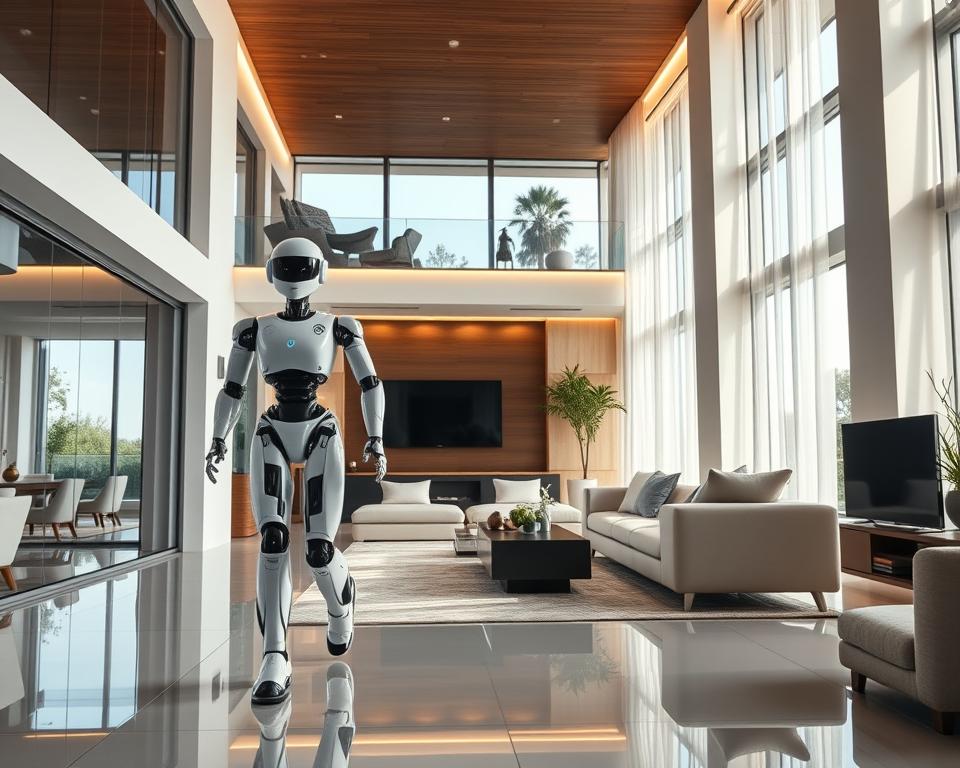
AI and materials science are advancing fast. This means realistic humanoids will soon do complex tasks. They will be able to work with humans in places like factories, hospitals, and homes.
Companies like Boston Dynamics and SoftBank Robotics are testing these robots. They want to see how they adapt to changing situations.
Potential Market Growth
Experts think the market will grow a lot. It will go from $2.03 billion in 2023 to over $13 billion by 2029. This growth will come from healthcare, elderly care, and people wanting smart companions.
Realistic humanoids will also be used in retail, education, and customer service. They will help make our lives easier.
Integration with Smart Technologies
Realistic humanoids will work with smart devices to make our lives better. They could manage our homes, help in emergencies, or guide us in smart cities. The main areas of integration are:
- 5G networks for fast data processing
- AI-driven voice assistants with physical robots
- Health monitoring through wearable tech
These systems will make things more efficient, safer, and change how we use technology.
Humanoid Robotics in Popular Culture
Human-like robots have always fascinated people through stories and art. Movies, TV shows, and books explore their possibilities and the ethical issues they raise. This shapes how we imagine them.
Film and Television Representations
Movies like Ex Machina and Blade Runner 2049 show robots with deep feelings, raising big questions. TV shows like Westworld and Humans mix drama with AI, starting conversations about being alive. These stories often show the beauty of advanced robots alongside their deep struggles.
Influence on Public Perception
- Positive views, like Star Wars’ droids, make us hopeful about robots helping us.
- Stories like I, Robot (2004 film) make us worry about AI taking over, affecting our trust in technology.
Movement in Literature and Art
Isaac Asimov’s I, Robot series set the stage for today’s themes. Artists like Ai-Da, a robotic sculptor, push the limits of creativity. The MIT Media Lab’s “Robot Art” shows robots as partners, not just machines.
Education and Training for Humanoid Robotics
To move forward in humanoid robotics, you need special knowledge. Universities and companies have programs for designing and programming lifelike androids. Students learn about mechanics, AI, and ethics in this field.
“The future of robotics demands professionals who blend technical skills with creativity.” — MIT Robotics Lab
Academic Programs
Top universities offer degrees in robotics engineering and AI. Some examples are:
- MIT: Robotics: Science and Systems
- Stanford: AI for Robotics Specialization
- UC Berkeley: Human-Centered Robotics
Industry Certifications
Certifications show you’re skilled in robotics design and AI. Here are some options:
- ROS (Robot Operating System) Certified Developer
- IEEE Robotics Certification
- Hanson Robotics’ AI Ethics Training
Research Opportunities
Universities work with companies like Boston Dynamics for internships. Key areas include:
| Field | Focus Areas | Examples |
|---|---|---|
| Academic | Mechatronics, AI | CMU Robotics Institute |
| Industry | Robotics ethics, prototyping | SoftBank’s Pepper Research Program |
Training in lifelike androids prepares a skilled workforce. Programs cover both technical and ethical aspects for practical use.
Regulatory and Safety Concerns
As artificial humans become more advanced, it’s crucial to ensure they are safe in society. Governments and industry groups are working on guidelines. These include standards for design, testing, and use.
For example, ISO/TS 15066 sets limits on collision forces. ISO/IEC 8373 defines important terms for consistency. This helps everyone understand and follow the rules.
Standards for Development
- ISO/TC 199 works on global safety protocols for robot-human interaction.
- EU’s Machinery Directive mandates risk assessments for commercial models.
- U.S. NIST publishes best practices for ethical design and fail-safes.
Risk Management in Robotics
Developers use many safety measures to lower risks:
- Collision detection sensors to avoid physical harm.
- Emergency stop mechanisms for immediate shutdowns.
- AI oversight systems to prevent unintended actions.
Liability Issues
| Scenario | Responsibility | Example |
|---|---|---|
| Software flaw causing injury | Manufacturer | Recall and compensation |
| User misuse of robot | End-user | Training compliance failures |
| Government oversight gaps | Regulatory bodies | Delayed standard updates |
“Liability frameworks must evolve as fast as the technology itself.” — International Organization for Standardization (ISO)
Humanoid Robots and Social Interaction
Humanoid technology is changing how we interact with machines. Scientists are working to make robots better at social skills. This way, we can have more natural conversations with them.
Robots like SoftBank’s Pepper can understand voice and gestures. They even respond to our emotions.
Human-Robot Interaction Research
Universities like MIT and Stanford are studying how we react to humanoid robots. They look at things like trust and how well we communicate. A 2023 study found people felt more at ease sharing personal stories with these robots.
Social Robots vs. Traditional Robots
- Traditional robots are made for tasks like assembly-line work and don’t have social features.
- Social robots, on the other hand, are designed to talk and understand emotions through facial expressions and tone.
- Humanoid technology uses AI to change its responses, unlike traditional machines with fixed programs.
Emotional Connections and Relationships
“Robots with emotional intelligence could revolutionize care for elderly populations.” – Dr. Cynthia Breazeal, MIT Media Lab
Companies like Hanson Robotics are making robots like Sophia to show empathy. They use sensors to sense mood changes. This technology aims to fight loneliness in healthcare and education.
Early tests in schools show kids with autism benefit from these robots. They offer predictable and non-judgmental interactions.
How to Get Involved in Humanoid Robotics
To get into humanoid robotics, you need education, hands-on experience, and networking. Start by learning engineering, computer science, or AI. You’ll need skills in mechanical design, programming, or machine learning for advanced humanoids.
Career Paths
You can become a robotics engineer, AI developer, or systems designer. Companies like Boston Dynamics and Honda look for experts in advanced humanoids. You’ll need a bachelor’s degree for entry-level jobs and more for leadership roles.
Look for jobs on IEEE Careers or company websites.
Key Organizations and Communities
| Organization | Focus | Website |
|---|---|---|
| IEEE Robotics and Automation Society (RAS) | Standards & innovation in humanoid tech | ieee-ras.org |
| International Federation of Robotics (IFR) | Global robotics industry insights | ifr.org |
| ROS-Industrial | Open-source robotics tools | rosindustrial.com |
“IEEE’s 2024 study group on humanoid standards highlights growing industry collaboration. Join these efforts to shape the future of advanced humanoids.” – IEEE RAS Report
Online Resources and Forums
- Udemy: Courses like “Robotics: System Design” or “AI for Robotics”
- edX: MIT’s “Introduction to Robotics” or Stanford’s “Human-Centered Design”
- ROS Forum: Discuss coding and hardware challenges with global developers
Join Discord communities like #humanoid-robotics or follow @IEEE_RAS for updates. Attend virtual conferences like the International Conference on Robotics and Automation (ICRA).
Conclusion: The Impact of Humanoid Real
Humanoid robotics is a big step forward in AI technology. It’s changing fields like healthcare and manufacturing. Boston Dynamics’ Atlas and Hanson Robotics’ Sophia show how these models are getting smarter and more flexible.
These advancements come from years of work by engineers, AI experts, and industry leaders. Their efforts have made a huge difference.
Recap of Innovations
Recent breakthroughs show the power of AI humanoid models. Atlas can move in a dynamic way. Pepper and Sophia can even talk and interact with people.
Companies like SoftBank and Honda are making these robots better. They’re working on making them more efficient and user-friendly. Now, robots can do complex tasks, like helping with customer service or even surgery.
Future Implications for Human Society
By 2030, AI humanoid models could change the job market and our daily lives. The robotics market is expected to grow, thanks to healthcare and service sectors. But, there are big challenges ahead.
Issues like ethical use and public trust need to be solved. Finding a balance between innovation and safety will decide how these robots fit into our society.
Final Thoughts on Robotics and Humanity
The rise of humanoid robots shows we need to be careful with their development. As these AI systems get better, they’ll play bigger roles in education, caregiving, and exploration. It’s important to make sure they meet human needs while following ethical rules.
The future of these technologies depends on teamwork between tech leaders and communities. We must work together to use this technology wisely.
FAQ
What is a humanoid robot?
A humanoid robot looks and acts like a human. It uses advanced technology to interact with people in a way that feels natural.
How are humanoid robots being used in industry?
Humanoid robots are changing many industries. They help in manufacturing, customer service, and healthcare. They make tasks like assembly, helping guests, and caring for patients more efficient.
What role does artificial intelligence play in humanoid robotics?
AI makes humanoid robots smarter. It helps them learn, understand language, and even feel emotions. This lets them adapt and talk to humans better.
Who are the key players in humanoid robotics today?
Companies like Boston Dynamics, SoftBank Robotics, and Honda are leading the way. They invest in new technologies and create advanced robots that show off their skills.
What are some notable humanoid robots currently available?
Sophia, Atlas, and Pepper are some of the most famous robots. They each have unique AI features and practical uses.
What challenges do humanoid robots face for broader acceptance?
Robots face many challenges. People worry about ethics, technology, and trust. Overcoming these concerns is key to being accepted by society.
What are the future prospects for humanoid robotics?
The future looks bright for humanoid robots. They will get smarter, more common, and work with new smart technologies. This could change many industries.
How are humanoid robots depicted in popular culture?
Robots are everywhere in movies, TV, and books. They shape how we see and think about robots. Both real and imaginary robots influence our views.
What educational resources are available for those interested in humanoid robotics?
There are many programs and certifications for robotics. They help prepare people for careers in humanoid robotics. This encourages innovation and growth.
What safety and regulatory measures are in place for humanoid robotics?
Safety and rules are crucial for robots. They ensure robots are designed and used safely. This includes standards, risk management, and legal issues.
How do humanoid robots interact with humans?
Scientists study how robots interact with us. They look at how robots can form bonds and improve our lives. This includes companionship and help.
How can someone get involved in the field of humanoid robotics?
If you’re interested, there are many paths to explore. You can join organizations, use online resources, and connect with communities. This helps you learn and grow in the field.